Watertown Community Gardens Blog
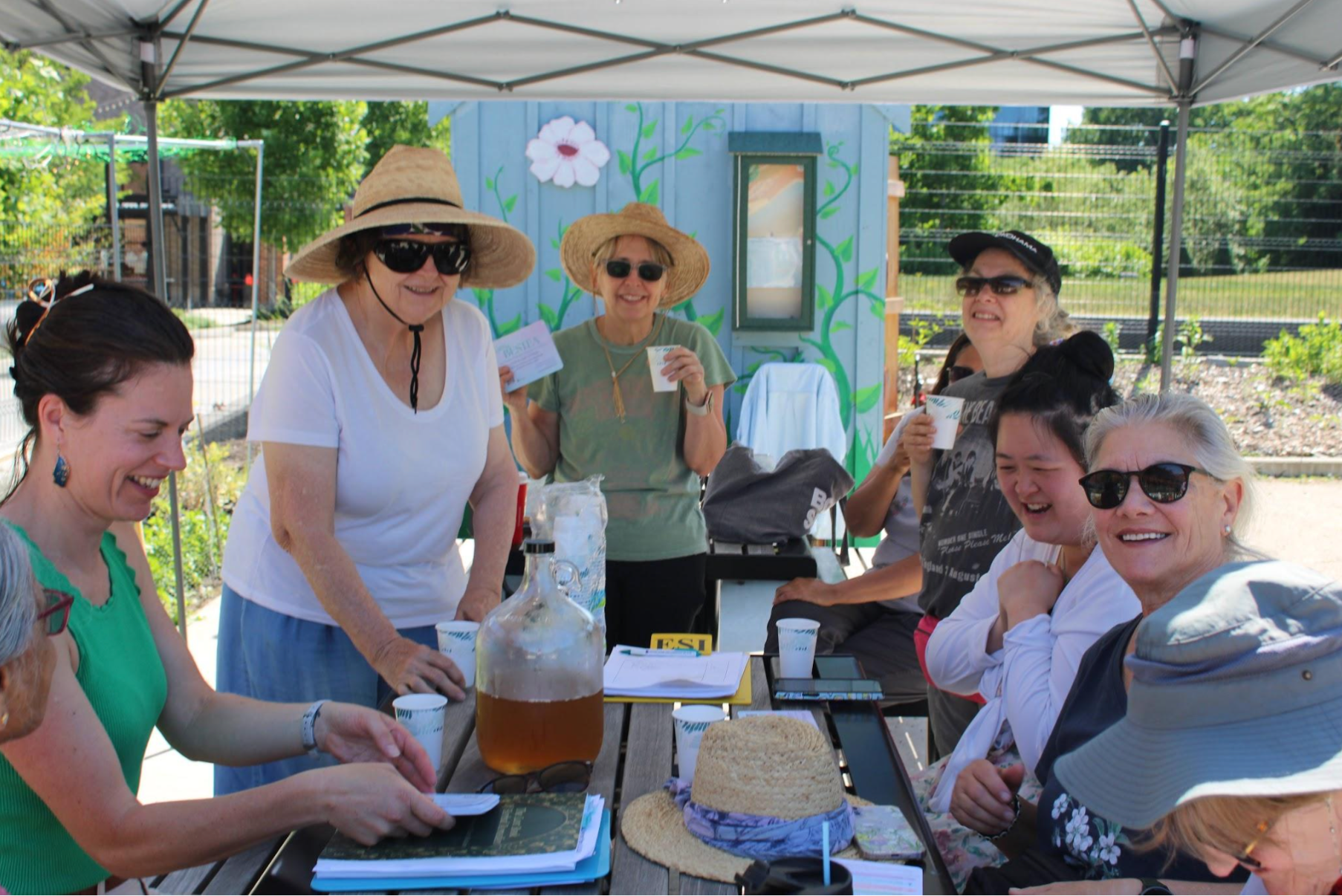
by APCG Co-captain Marilyn Salvas The Arsenal Park Community Garden has had a busy season so far this year! We have held several events in the garden.

Member Portal FAQ A few months ago in April 2026, we migrated to a new member portal to provide a better experience for everyone. If you're having trouble accessing your account, we hope the answers below will help you get up and running quickly!
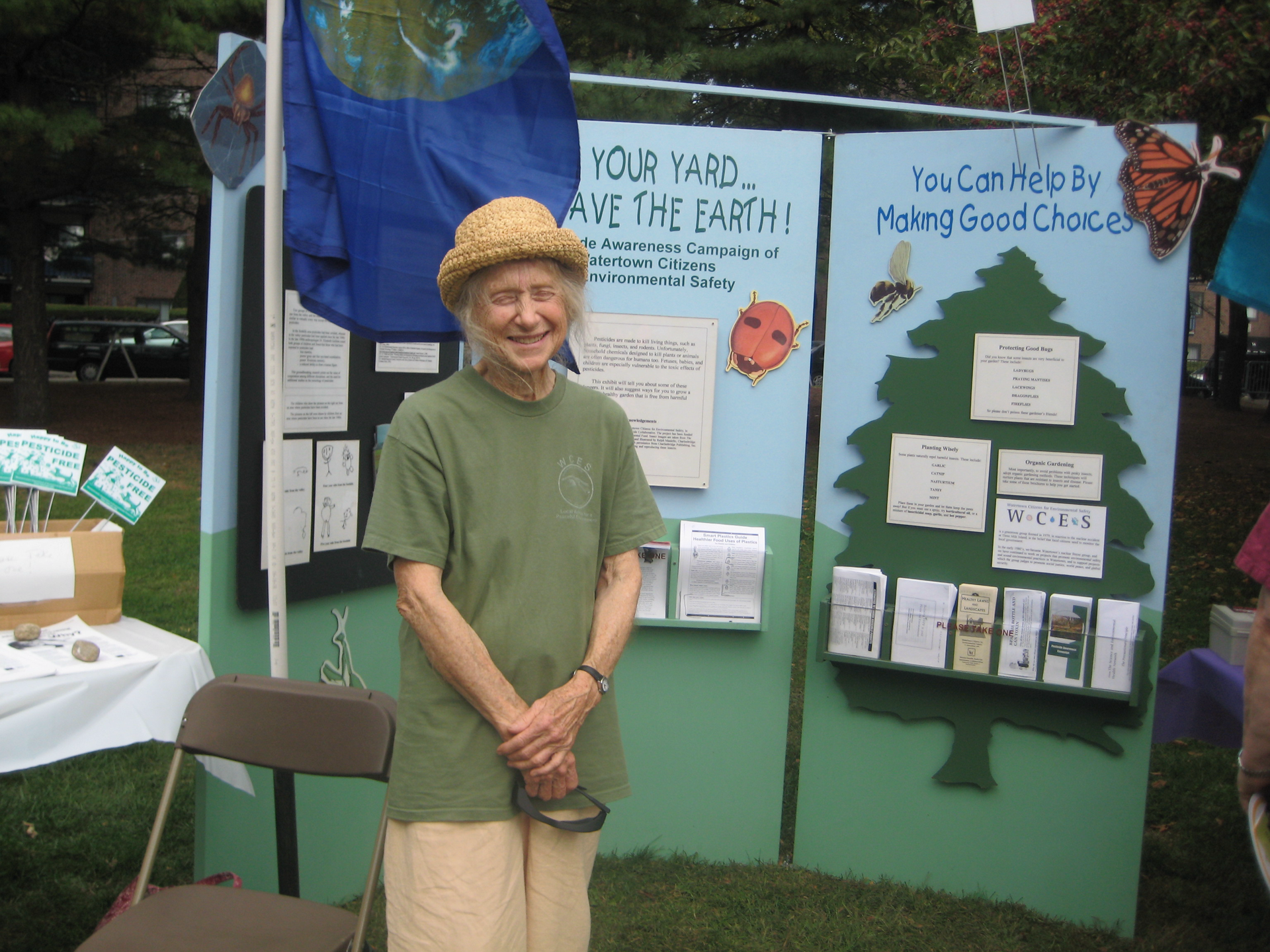
A History of Watertown's Life-Friendly Garden Tour How One Woman's Passion Became a Watertown Tradition by Pam Phillips and Sharon Bauer
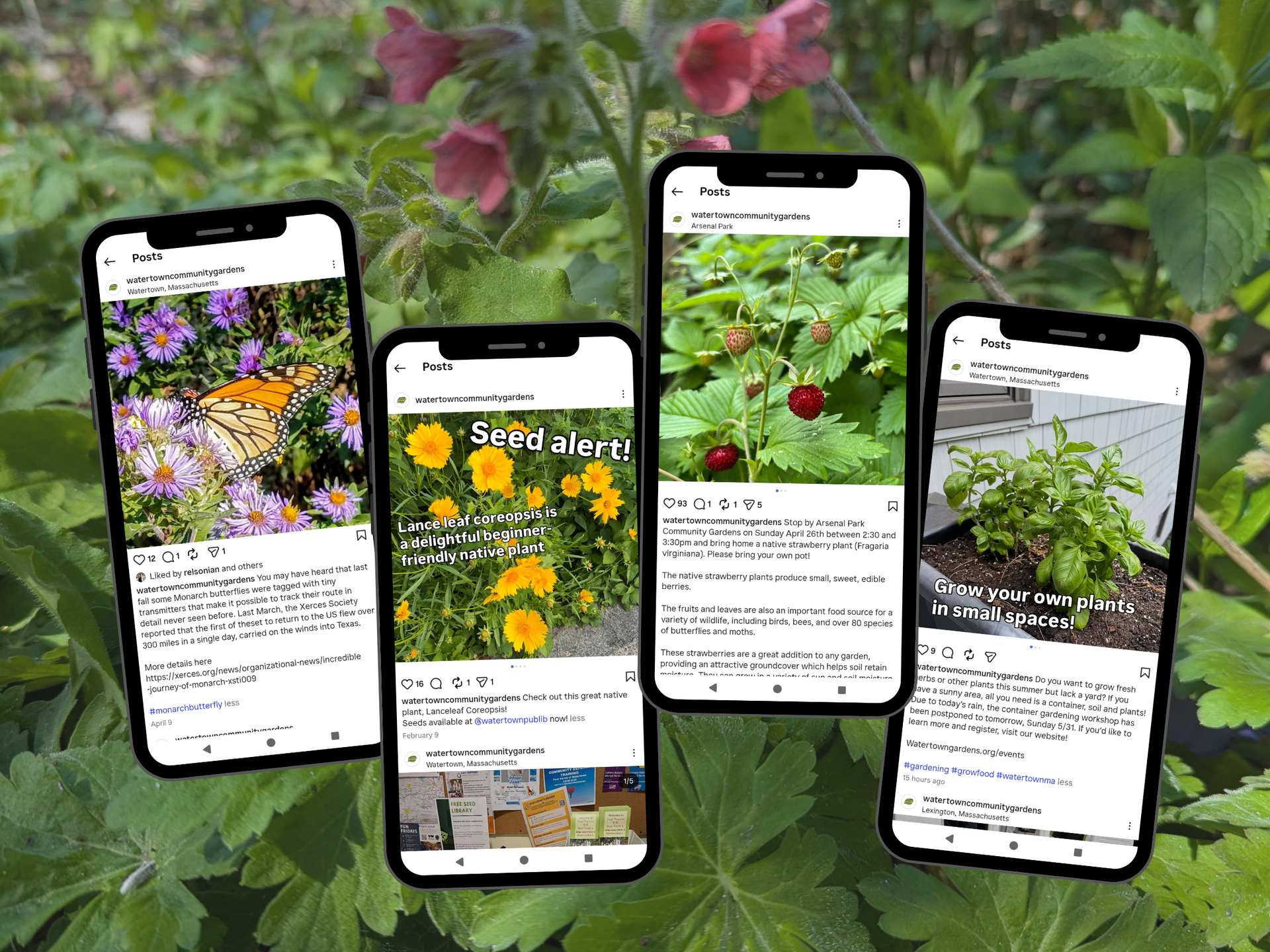
Do you enjoy storytelling, community engagement, and helping good work reach more people? WCG is looking for a volunteer Social Media Manager to help share the energy and impact of our community with a wider audience. This is a great opportunity for someone who enjoys creating engaging posts, building community, and supporting local environmental and community initiatives.
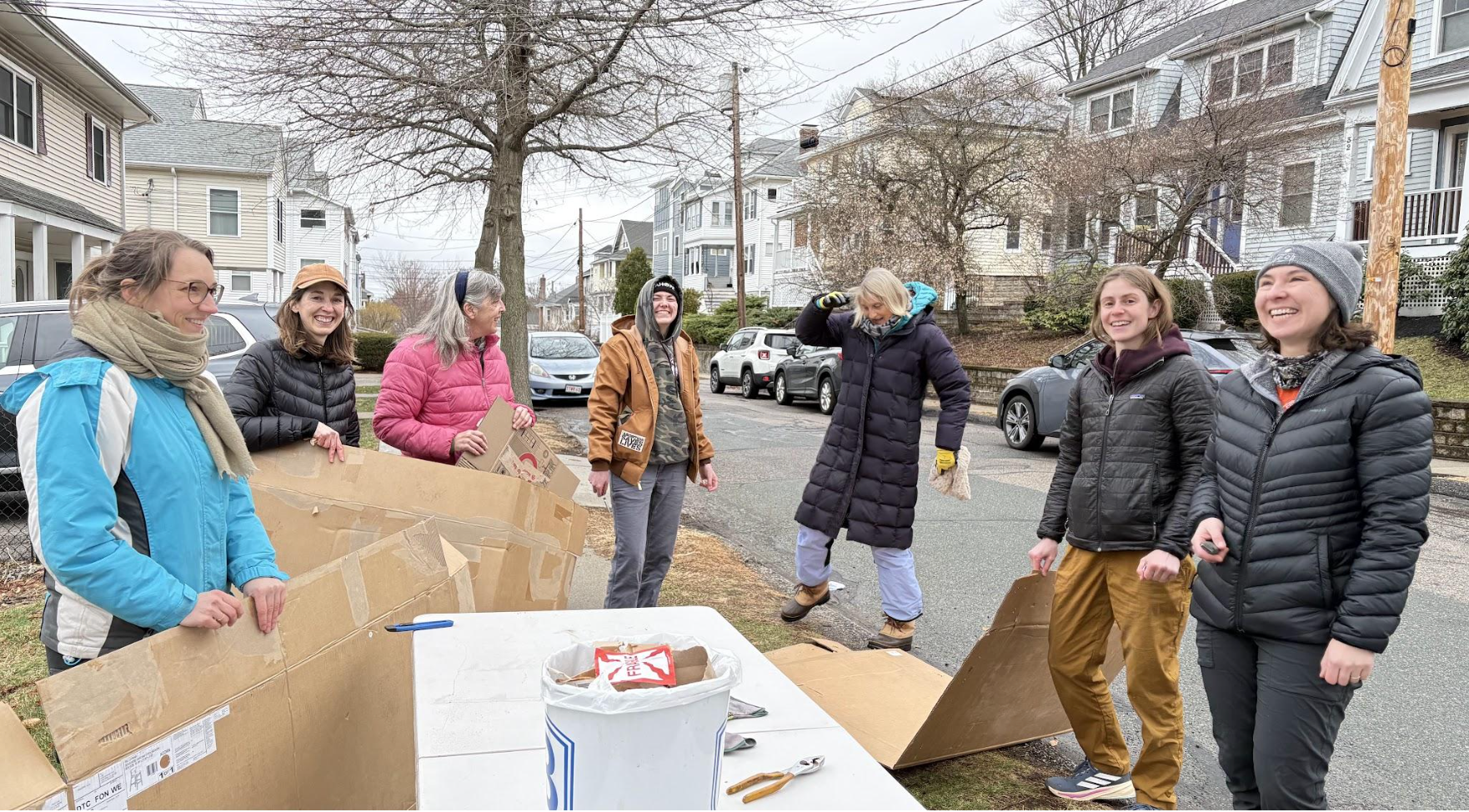
by Marilyn Salvas and Melinda Dennis
by Pam Phillips As you may know, for the last several years, Friends of Bees, a working group of Watertown Citizens for Peace, Justice, and the Environment (WCPJE) , have been meeting and collaborating with WCG’s Pollinator Pathways Committee. Together we have held the Life-Friendly Garden Tour, maintained public pollinator gardens, led pollinator walks, and more. Together we support Watertown's Mayor's Monarch Pledge . Together, we educate about and advocate for our native bees, Monarch butterflies and other pollinators. This year, Friends of Bees are making that togetherness official by merging with the Pollinator Pathways Committee. Twelve years ago, Watertown Citizens asked “What is happening to the bees?” and formed a new working group, Friends of Bees. Friends of Bees learned about the many challenges bees face, especially pesticides and habitat loss. Today, we welcome Friends of Bees to a new home with Watertown Community Gardens. The Life-Friendly Garden Tour, with its rich history of 28 chemical-free garden tours over nearly twenty years, will also be hosted by WCG. WCPJE has always served as an incubator for community groups. Over the years, many initiatives started and fostered under WCPJE later matured into independent organizations expanding the circle of like minded activists. Watertown Community Gardens was one such group. Friends of Bees thanks WCPJE for an abundance of enthusiasm and support as we branch off, while maintaining our role in the larger Watertown community. To stay in touch with Friends of Bees and the Life-Friendly Garden Tour please visit Watertown Community Gardens at our new website . When you sign up for the WCG newsletter , make sure to indicate your interest in pollinators and eco gardening. Details of the 2026 Life-Friendly Garden Tour will be shared in the WCG newsletter this summer. Keep buzzing!
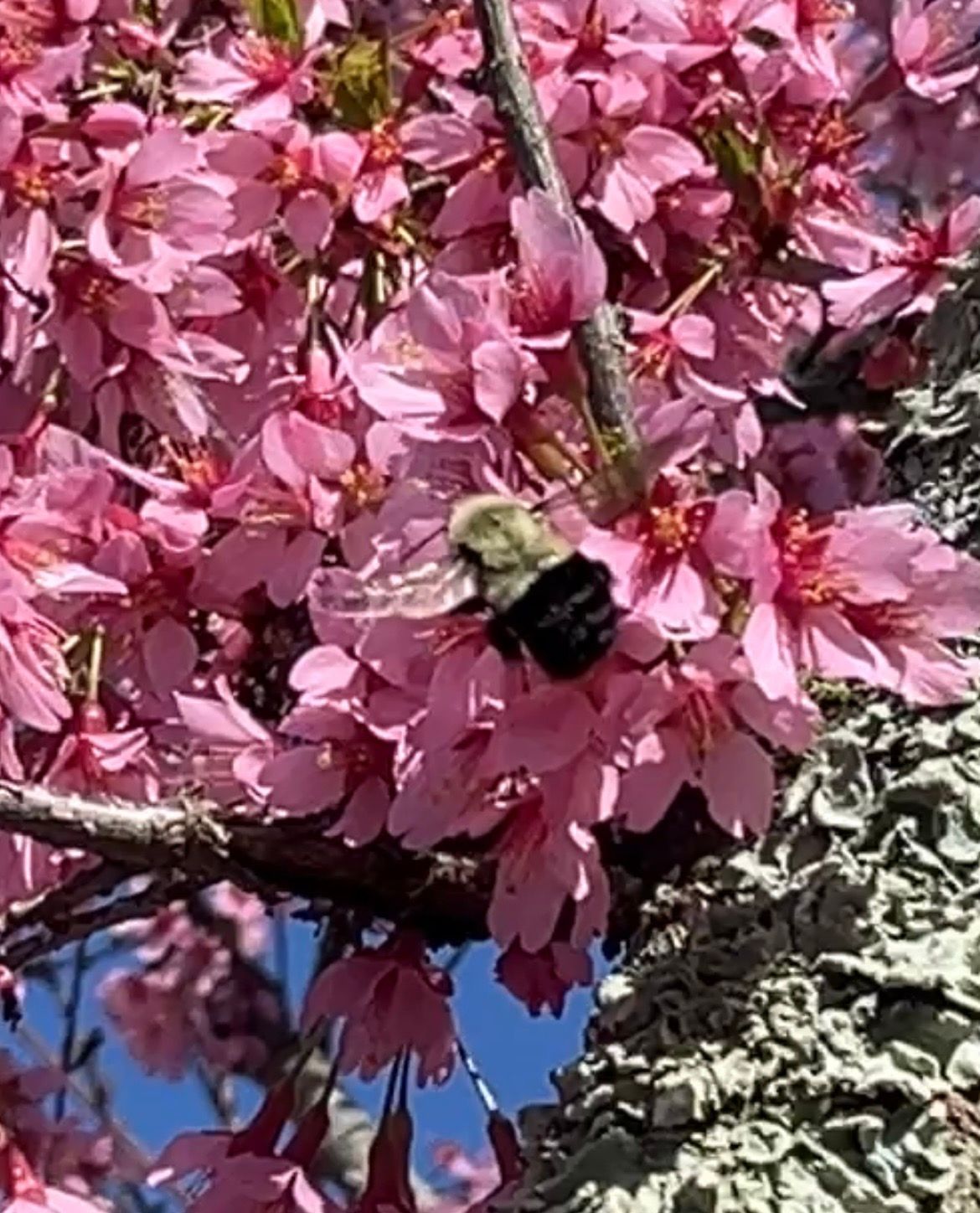
By Linda Relson, with Pam Phillips Spring is a really exciting time to see the landscape coming back to life. On multiple occasions in the last couple of weeks, I've seen queen bumblebees, Bombus spp. , drinking nectar from cherry blossoms, and zooming along the ground looking for nesting sites. It’s a sure sign of the season and it lifts my spirits every time.
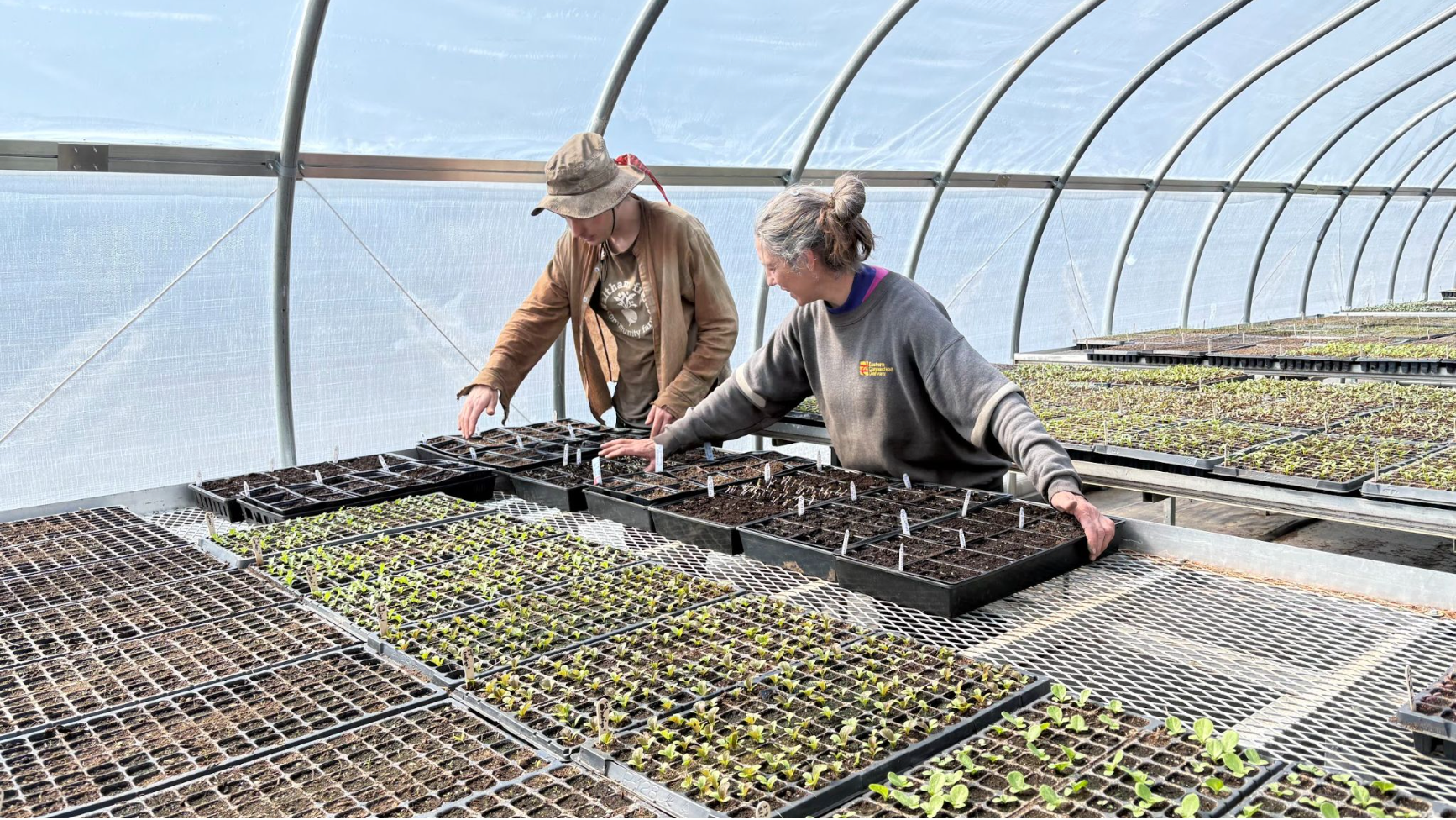
By Naomi Shea The season has officially kicked off at Watertown Community Gardens, bringing excitement and potential for new growth—both in the garden and within our community. This season, we're thrilled to have partnered with Waltham Fields Community Farm (WFCF), which graciously opened its greenhouse to support our efforts in planting our donation plots. Arsenal Park Community Gardens (APCG) captains, Marilyn and Susan, carefully prepared trays of seedlings at home before transporting them to the greenhouse. These trays included a variety of crops such as lettuces, mixed greens, leeks, onions, tomatoes, kale, chives, parsley, and more!
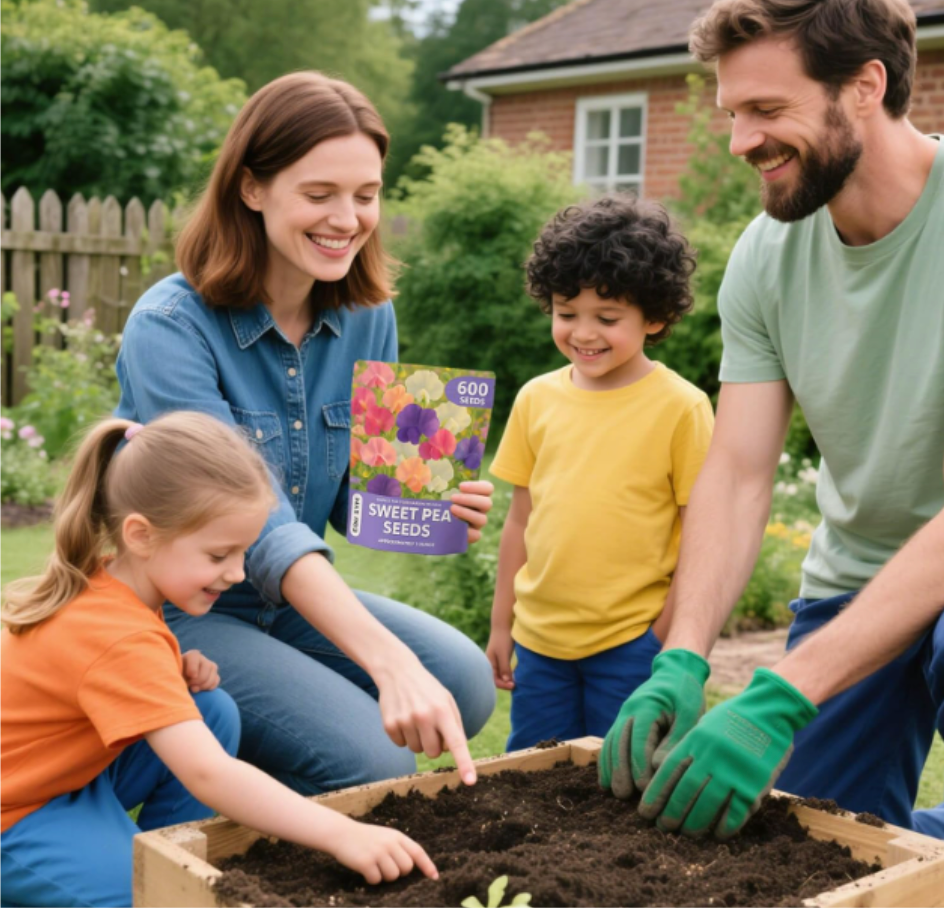
By Lori Shapiro Spring has, finally and gloriously, burst. The warmer, longer days are driving the emergence of stunning spring flowers. The delightful weather and colorful blooms may motivate you to finally buy those seeds you have been thinking about. But summer is fast approaching, and you have so many demands on your time, and the easiest and fastest way to buy some seeds is with a couple quick clicks on Amazon. What could possibly go wrong? These very relatable sentiments were expressed by a colleague as she excitedly showed me a package of sweet pea seeds she had recently ordered on Amazon , as visions of delicious homegrown spring peas delighted her imagination.
Fostering Community Through Sustainable Food Practices
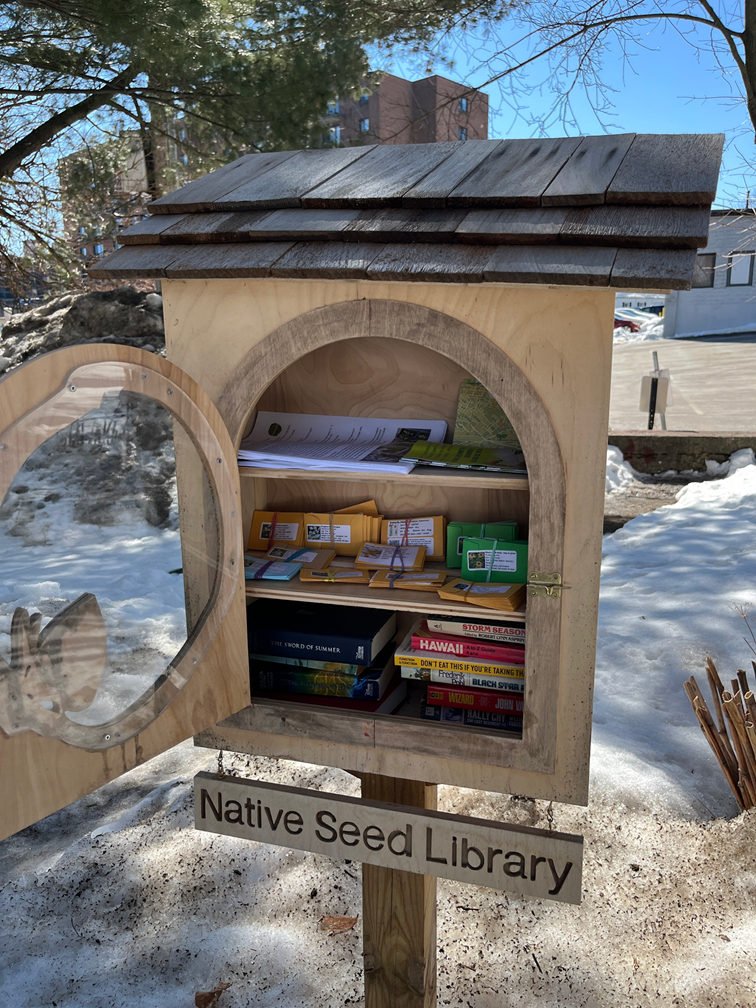
WCG wants to help gardeners in the community grow the best plants for pollinators and diversity of local wildlife! Now is the time to be planning our gardens, and planting native plant seeds! Turning gallon jugs into mini-greenhouses is a great way to grow your own plants, a method called “winter seed sowing”. We have instructions for this method here: Winter Seed Sowing Basics - WCG.pdf Seeds that require 30 days or fewer of cold stratification (exposing seeds to cold, moist conditions to break dormancy). Even though snow is melting, seeds can still be stratified in temperatures between 34 and 40 degrees Fahrenheit.
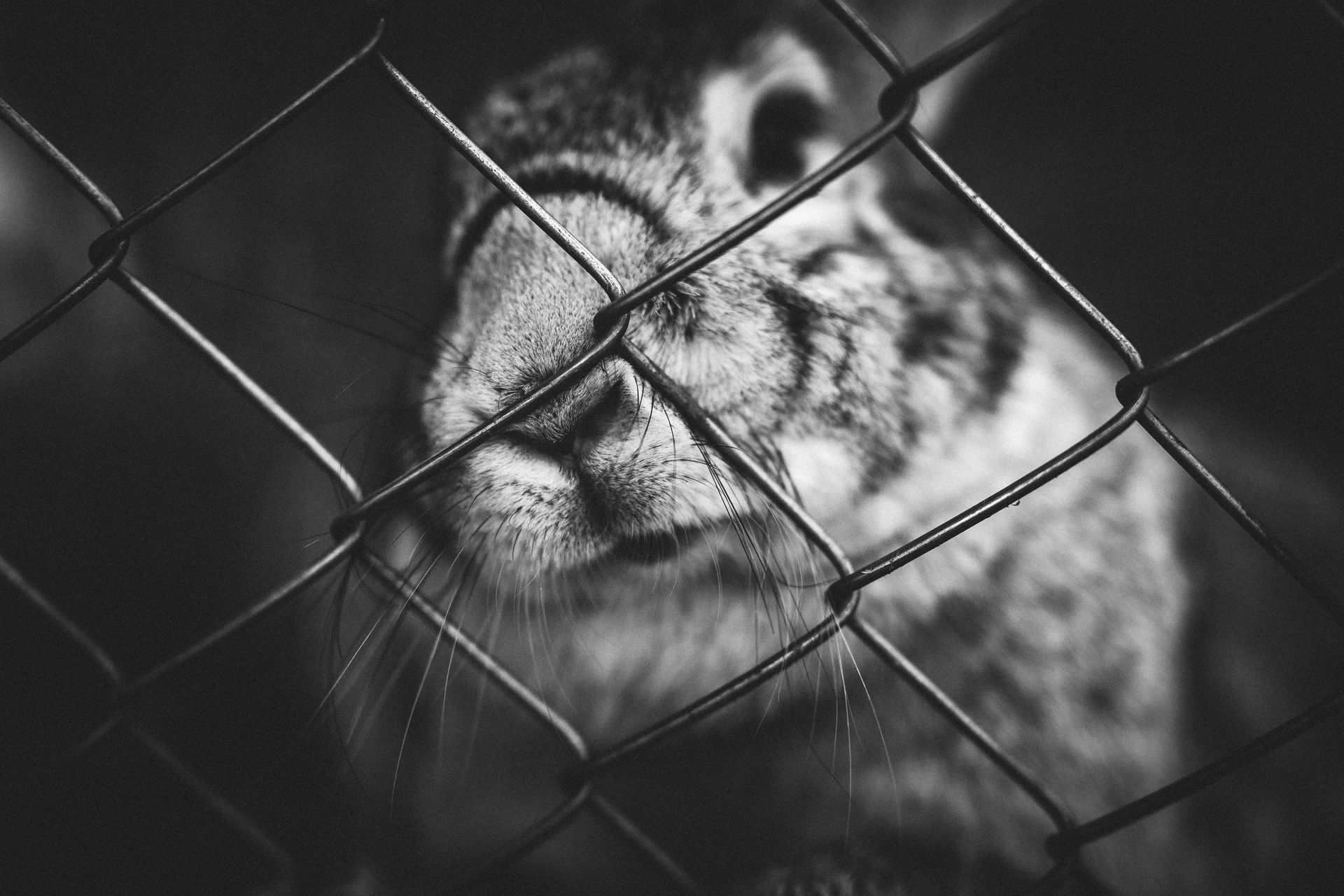
When gardening in urban environments like Watertown, you'll have to deal with pests such as rabbits and rodents. Here are some resources to help you protect your plants by building small cages out of chicken wire or hardware cloth. You can find written instructions for "HOW TO MAKE A SMALL PLANT CAGE IN 15 MINUTES" from Stone Family Farmstead , or if you'd prefer to watch an instructional video, check out the videos below. Hardware Cloth Fencing
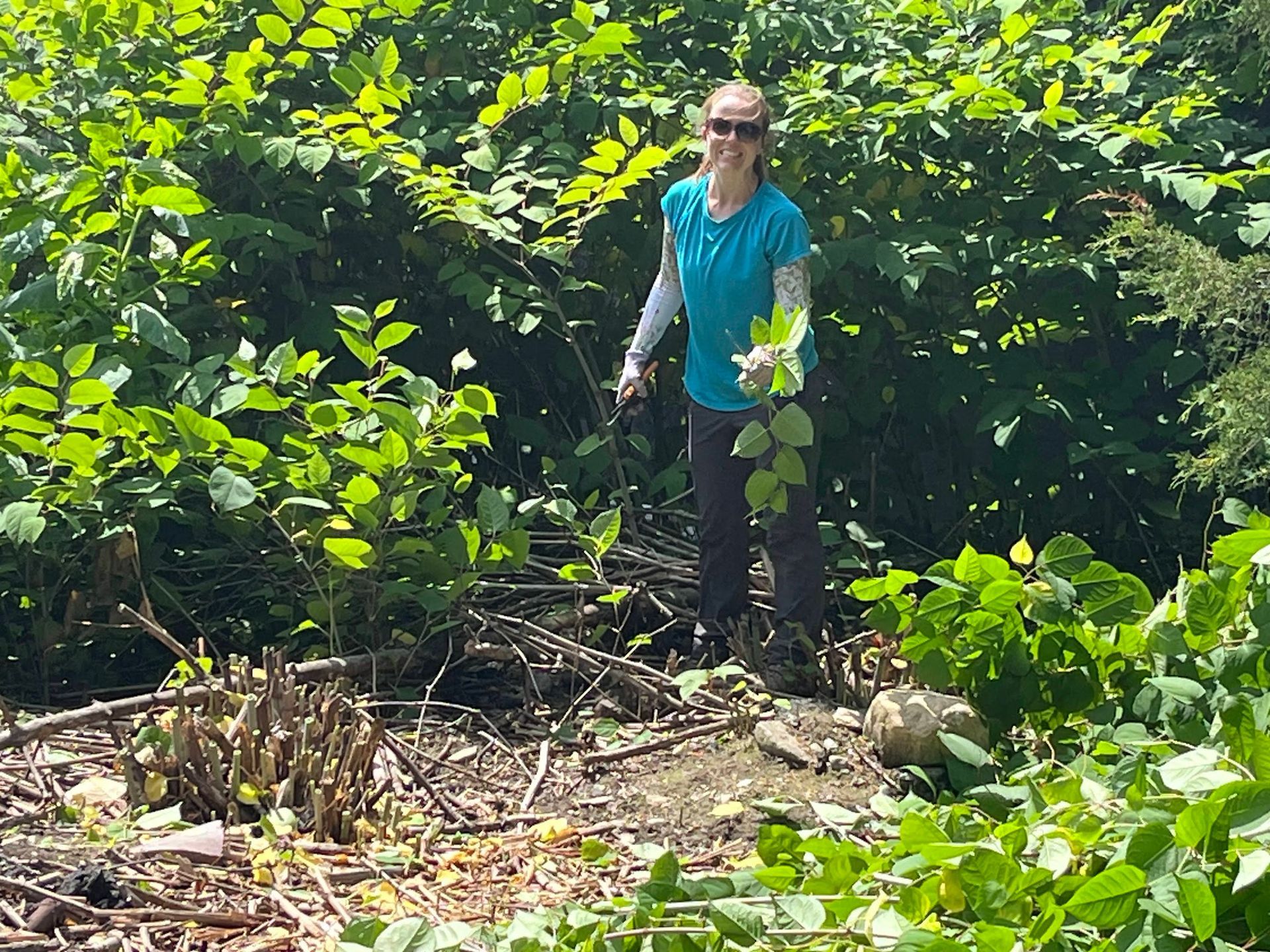
Here is some basic information on invasive species from Invasive.org What is an invasive species? An invasive species is any non-native organism whose introduction can cause harm to the environment, human health or economic interests. Some of the invasive species on this website are already serious pests in North America, while others are not yet widespread. What type of harm does an invasive species do? Since invasive species are in a new environment, free from natural predators, parasites, or competitors, they often develop large population sizes very rapidly. These high populations can out-compete, displace or kill native species or can reduce wildlife food and habitat. Some also have the potential to disrupt vital ecosystem functions, such as water flow, nutrient cycling, or soil decomposition. Other invasive species cause massive amounts of economic damage to the agricultural business by destroying crops and contaminating produce. Some invasive species can cause direct harm to humans or domestic animals. What can I do to fight these exotic pests? The simplest and most important thing anybody can do to help fight invasive species is to prevent its' introduction and establishment! Invasive organisms can easily be transported on living plants or fresh products such as fruit. Many pests can be found in recently killed plant material including firewood, lumber, and wooden packing material. Avoiding the long range movement of these materials is a simple way to slow the spread of pests. Buying only certified pest-free nursery stock is also a good idea. It is important to educate yourself and keep up to date on the status of these and other pests. Resources are available through your local extension office and on the web at www.bugwood.org and other websites. These resources have information on how to identify and control exotic pests that have already been introduced. By knowing what to look for and rapidly identifying any new introductions, we may be able to minimize the impact of new invaders. Report any occurrence of invasive species to your local county extension agent, state forestry agency, or to other federal or state natural resource or agricultural agencies. Spread the word; tell your neighbors if you see invasive species on their land. Volunteer with natural resource agencies to control invasive species. Control of small infestations is more effective and economical than trying to control a well-established, rapidly spreading infestation. Common invasive species in and around Watertown Black swallow-wort Black Swallow-wort (Cynanchum louiseae) (invasive.org) Stop the spread of Black Swallow‐wort ( Cynanchum louiseae) (mass.gov) - 1 page Multi flora rose Multiflora Rose (Rosa multiflora) (invasive.org) Japanese knotweed Japanese Knotweed (Polygonum cuspidatum) (invasive.org) Oriental bittersweet Oriental Bittersweet (Celastrus orbiculatus) (invasive.org) Garlic mustard Garlic Mustard (Alliaria petiolata) (invasive.org) Asian Jumping Worms Jumping Worm Factsheet Spotted Lantern Fly Landscape: Spotted Lanternfly Management | Center for Agriculture, Food, and the Environment at UMass Amherst PDF SLFHomeownerMgmtGuide.pdf (massnrc.org)
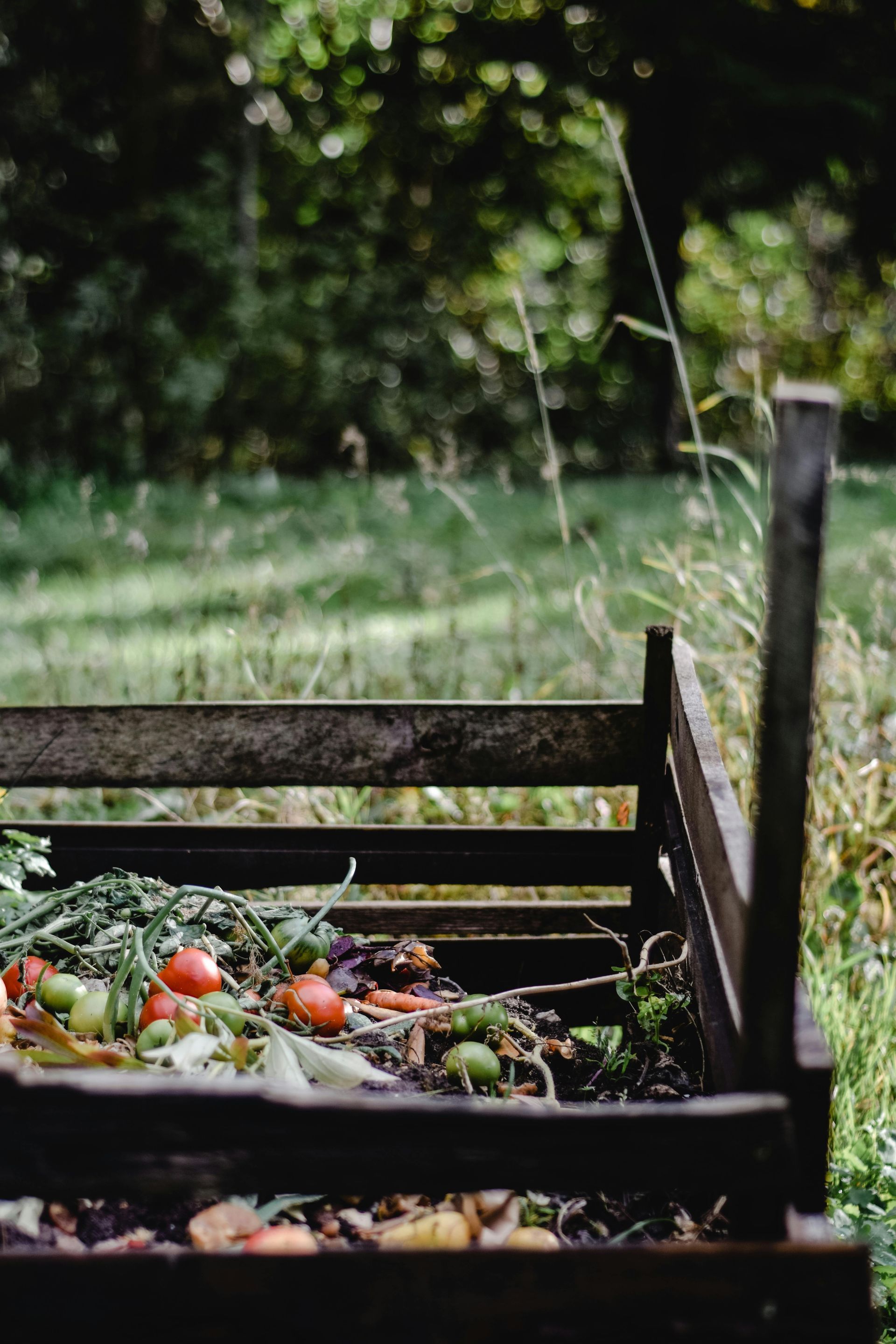
Backyard Composting Resources Composting Basics from Cornell Extension Detailed Composting Instructions from Cornell Extension MassDEP Composting Instructions Instructions to make a wire compost bin Local Residential Composting Services Black Earth Compost Bootstrap Compost City Compost (no longer in operation) Healthy Soil resources Building Healthy Soil - a good comprehensive article about building healthy organic garden soil Climate Victory Gardening 101 from Green America. Includes 10 Carbon Capturing Practices The Carbon Sequestering Garden - a Northeast Organic Farming Association MA Chapter NOFA/Mass publication International Year of Soils 2015 from the Food and Agriculture Organization of the United Nations Symphony of the Soil (film) - is an artistic exploration of the miraculous substance soil. By understanding the elaborate relationships and mutuality between soil, water, the atmosphere, plants and animals, we come to appreciate the complex and dynamic nature of this precious resource. The Hidden Half of Nature: The Microbial Roots of Life and Health
This WCG workshop was held on February 2, 2026.
This was our fourth annual winter sowing workshop held on January 31, 2026. --- Learn to grow your own plants from seed with a mini greenhouse crafted from an empty milk or water jug! Grow perennial flowers to support our local pollinators, birds, and biodiversity. (Best time to plant is December - February) This workshop will give you the tools you need to start or expand your own pollinator garden. Soil, native seeds, and one empty one-gallon jug will be provided. Participants under 18 are allowed, if accompanied by a parent or guardian. This is an in-person, hands-on, free event with instruction from Watertown Community Gardens members. --- Download the workshop handout and slides, and try it out yourself!
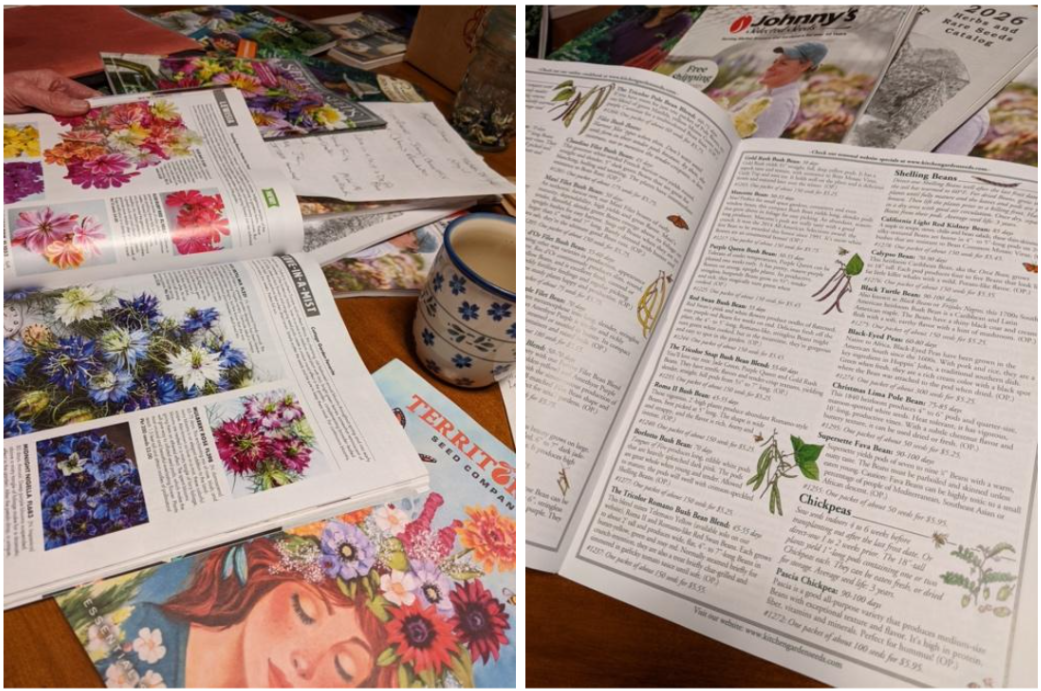
It may still be cold and dark, but January still brings garden joy. Over the last couple of weeks, seed catalogues have begun arriving in my mailbox. These catalogues are thoughtfully written with gorgeous photography and illustrations, and are a delight to read (and re-read multiple times).

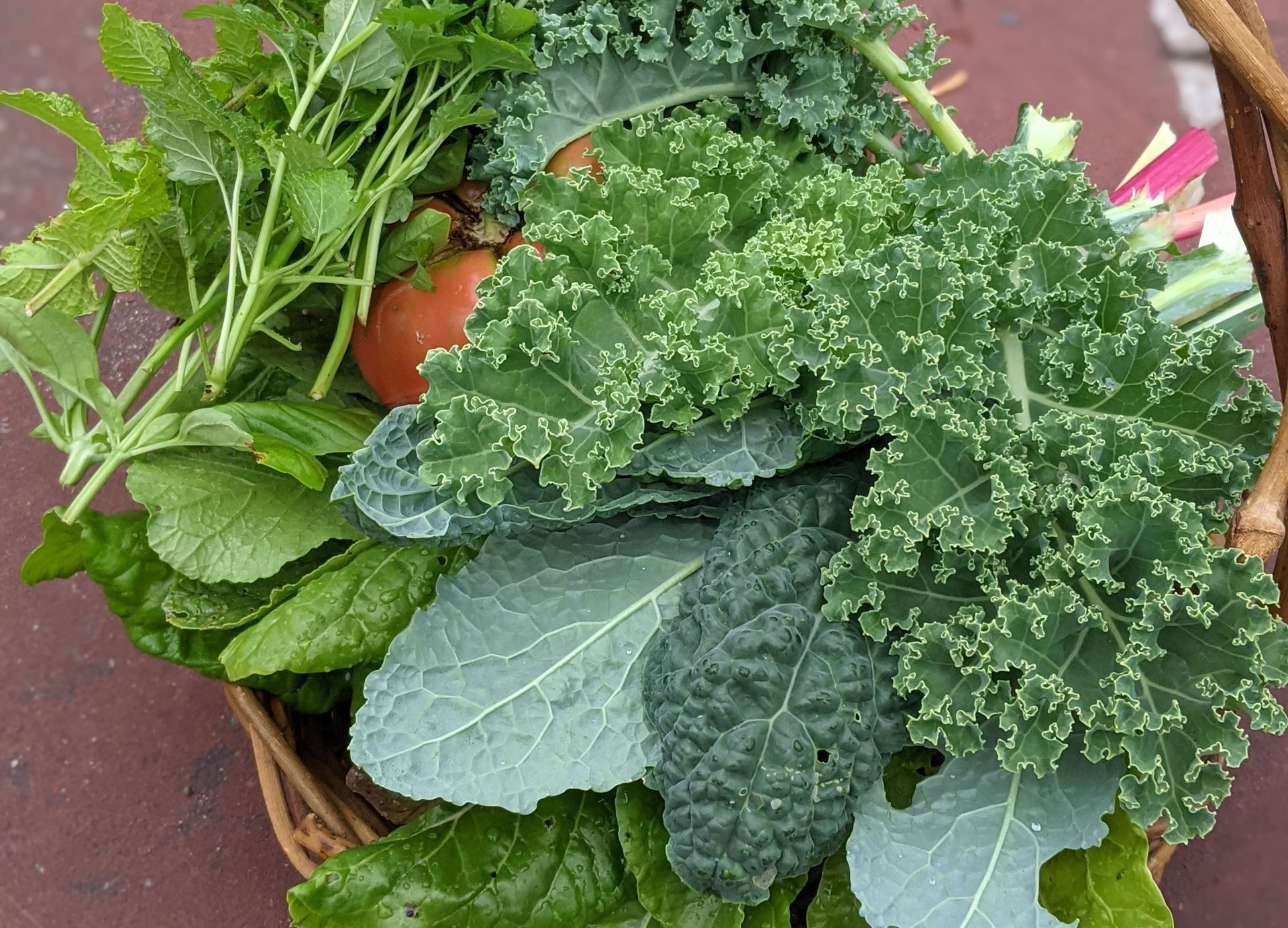
The days may be shorter and colder, but my Watertown garden is still bursting with colorful, flavorful and healthful food. The leafy canopy of summer’s showstopping tomatoes, eggplants, squash and peppers have succumbed to the seasonal chill and been cleared away. From beneath their former shadow, the many edible plants that thrive in fall can emerge.
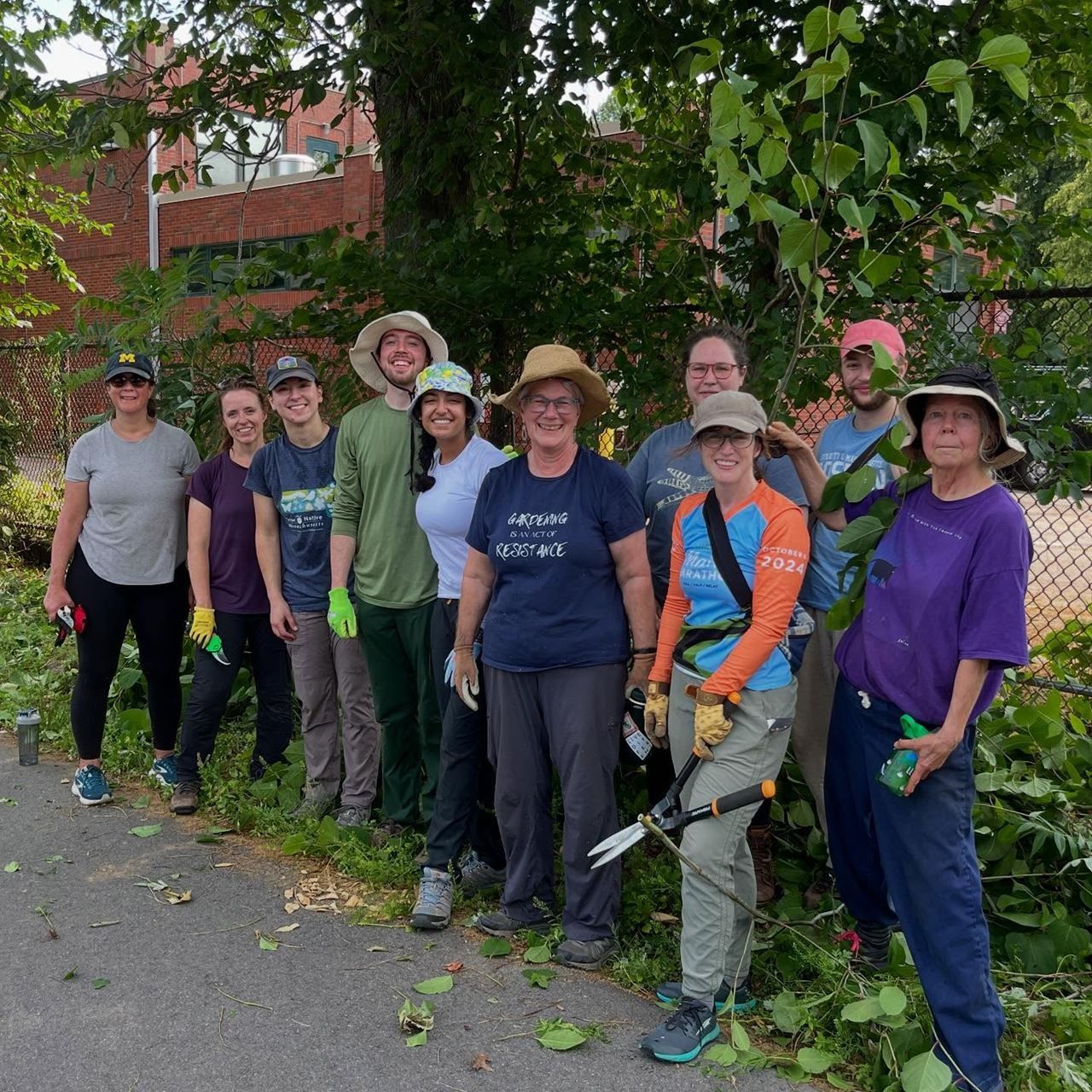
Volunteers have been working on the Watertown-Cambridge Greenway all year, and their efforts got a boost earlier this month with the award of a MassTrails Grant .

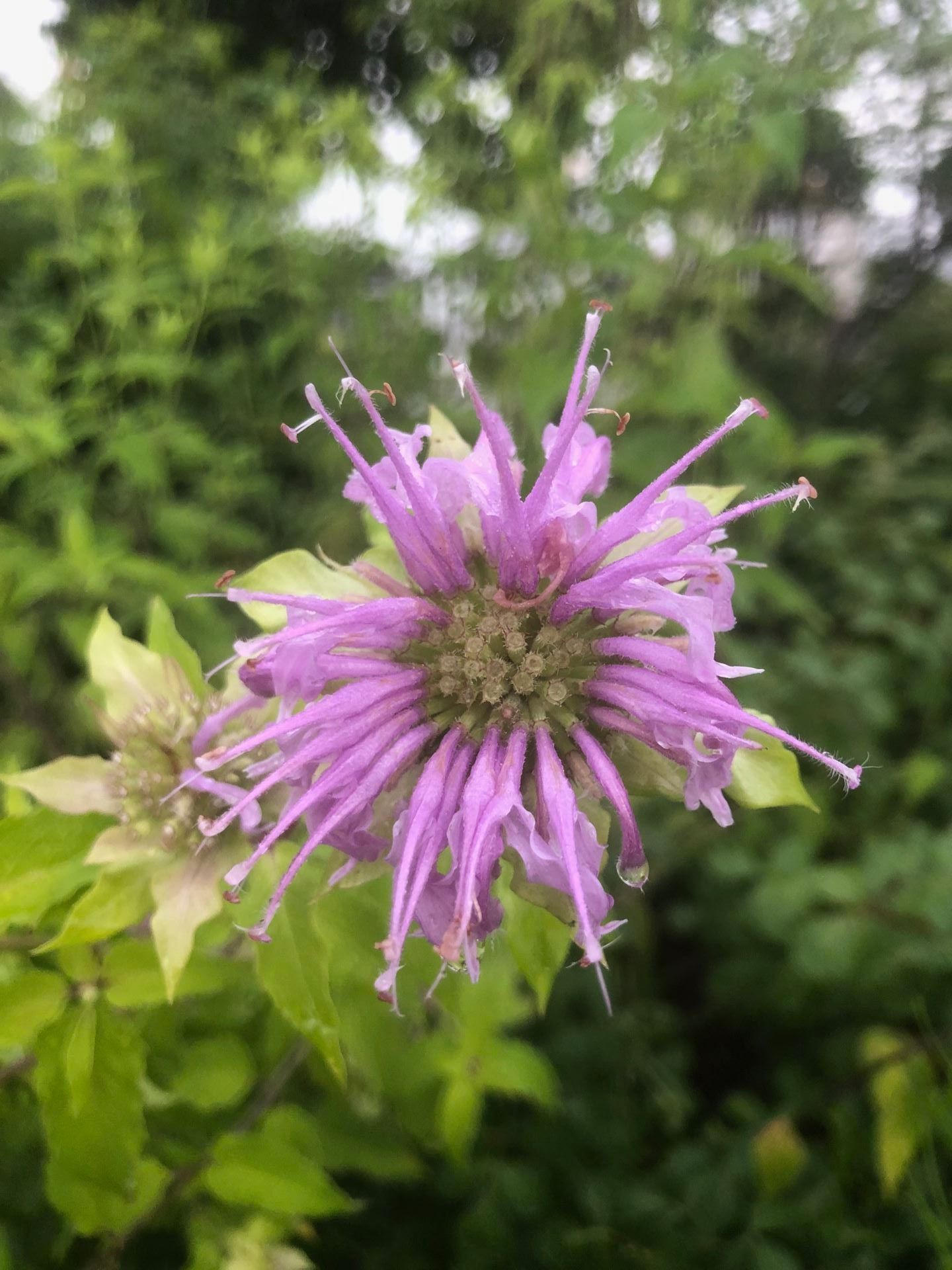
By Pam Phillips Have you been noticing more pollinators buzzing around your backyard as the weather warms up? Read this great piece by Pam Phillips of Friends of Bees to learn about which species of bees you can expect to see this time of year. You can find out more about Friends of Bees here . Spring has arrived, with the first green shoots, the first flowers, and the first bees. The bees you’re most likely to see this early are honeybees, bumblebee queens, and mining bees. Honeybees are awake all winter and will come out on warm days. You may have already seen them drinking nectar in snowdrops, crocuses, and dandelions. They also gather pollen from trees, even wind-pollinated trees, such as oaks, willows, and maples. The hive will feed this pollen to the brood when the queen begins laying eggs again. Bumblebee queens sleep underground over the winter, and emerge in early spring. You may notice unusually large bumblebees zigzagging around your garden, as if they are looking for something. They are! Queen bumblebees need a safe place to make their home, preferably a warm cavity that is very find to find, such as an old mouse nest. The queens drink nectar to fuel their hunt, often going high up into flowering trees, such as redbuds, cherries, and other fruit trees. They will also gather pollen, but not until they have found a home and started laying eggs. So if you see a big fat bumblebee carrying pollen on her legs, she’s a young queen with babies to feed. Once she has raised the first generation of workers, she will stay in the nest for the rest of her life.