In 2021, WCG expanded our mission from solely managing community garden plots to building out and maintaining a more robust pollinator pathway among public land. These pollinator gardens are represented by butterflies on the map.

  • What's a pollinator pathway? Why do they matter?

     A pollinator pathway is a connected network of pollinator-friendly gardens, native plantings, and green spaces that provide continuous food and habitat for bees, butterflies, birds, and other beneficial insects.  


    By linking together backyards, community gardens, parks, schoolyards, and streetscapes, our plantings create "stepping stones" that help pollinators safely move through neighborhoods and urban areas.

  • How can I do my part to support them?

    Even small actions — planting native flowers, reducing pesticide use, or adding a few host plants — can become part of a larger, connected habitat that benefits both wildlife and the community as a whole.


    Join us at our events to support our public pollinator gardens, roadside gardening, the Watertown-Cambridge Greenway, and other pathway-sustaining projects!


    Learn more about them below.


OUR Public Pollinator Gardens

WCG currently maintains four public pollinator gardens in Watertown. Explore each of them below.

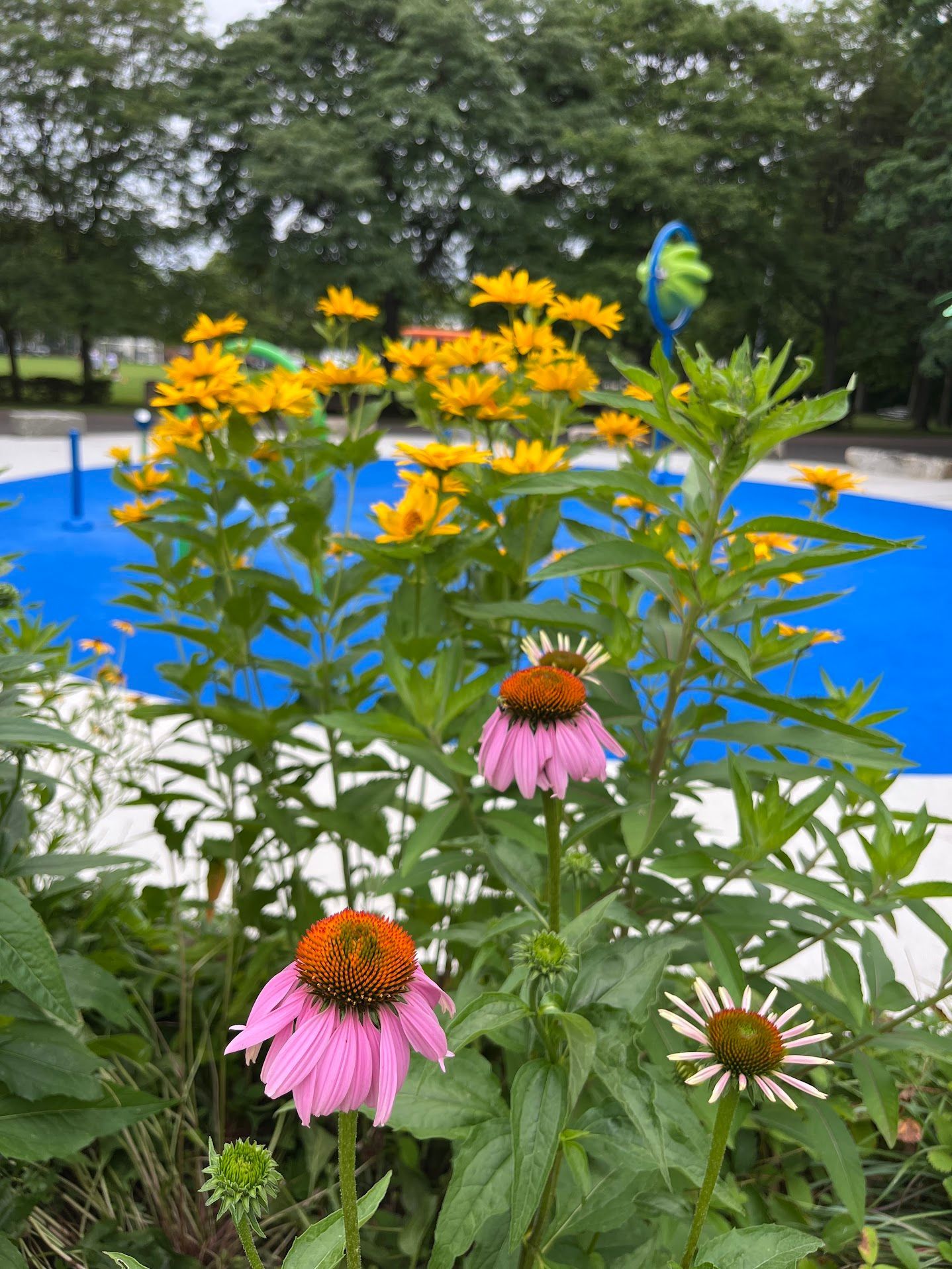
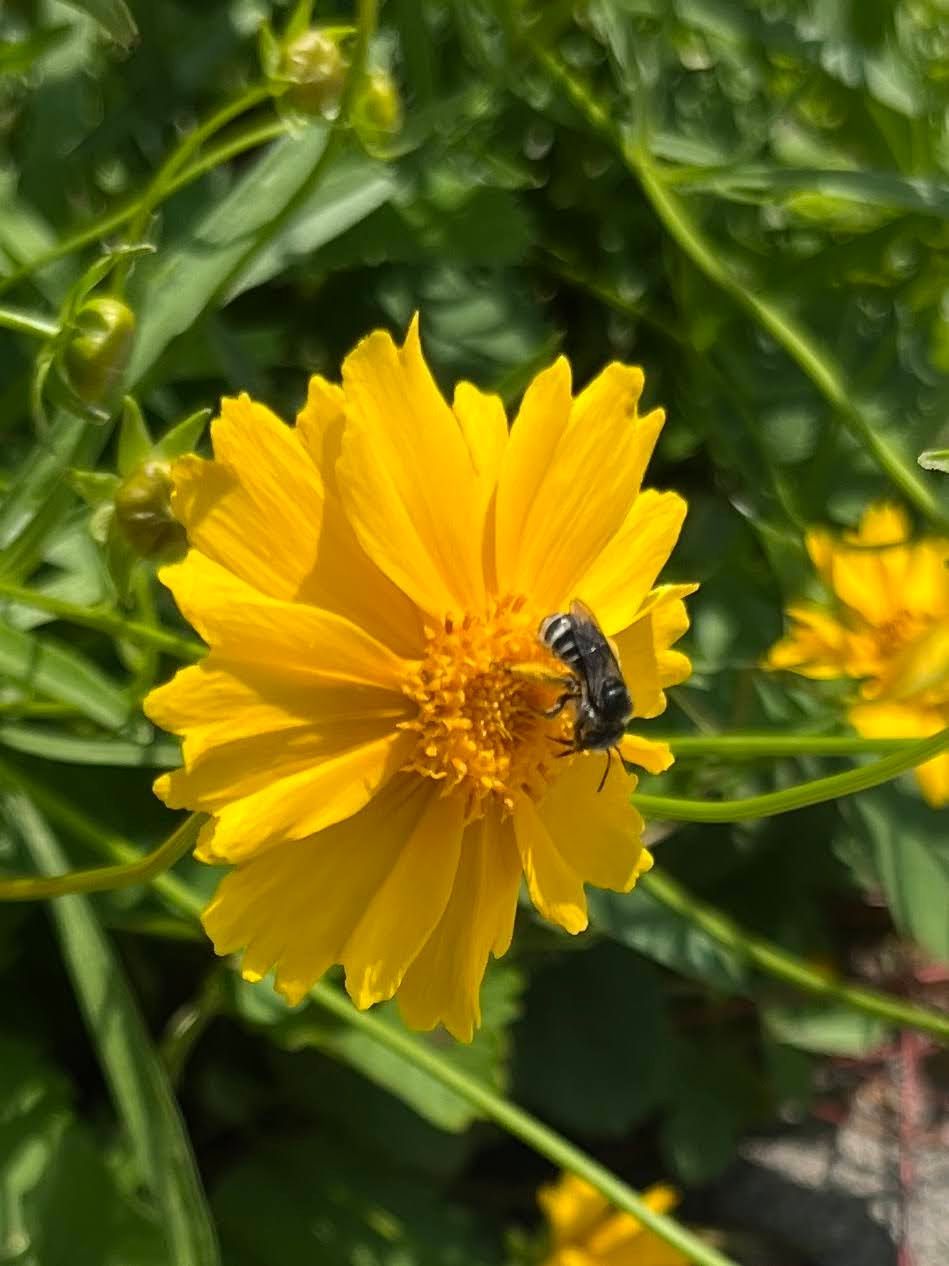
A bright pink coneflower in the foreground with bright yellow flowers behind.

At Fillipello Park

Location: Filippello Park Butterfly Garden


Description: Three (3) raised garden beds surrounding the splash pad containing native and ecologically beneficial plants. Plant species were selected to attract butterflies, caterpillars, bumblebees and native bees rather than honeybees and wasps due to the proximity to children's play areas. WCG volunteers planted this garden in collaboration with the City of Watertown DPW in Fall 2021.

  • What plants live in this garden?

    Garden Bed 1 (north of splash pad):

    • 4 milkweed species (Asclepias)

    Garden Beds 2 and 3 (southeast of splash pad):

    • golden alexander (Zizia aurea)
    • goldenrod (Solidago)
    • asters (Aster)
    • beebalms (Monarda)
    • hyssops (Agastache)
    • coneflowers (Rudbeckia, Echinacea)
    • beardtongues (Penstemon)
    • allheals (Prunella)
    • wild strawberry (Fragaria virginiana)
    • violets (Viola sororia)
    • calliopsis (Coreopsis)
    • little bluestem (Schizachyrium scoparium)
    • northern dropseed (Sporobolus heterolepis)

At Knowles Delta

Location: Intersection of Belmont & Lexington Streets


Description: A small raised bed with low-growing plants on the traffic delta in between Belmont, Lexington, and Orchard Streets. WCG volunteers added a variety of native plants to the existing garden in collaboration with the City of Watertown DPW in Fall 2022.

  • What plants live in this garden?

    Plant species include:

    • 3-toothed cinquefoil (Sibbaldiopsis tridentata)
    • wild strawberry (Fragaria virginiana)
    • Common selfheal (Prunella vulgaris v. lanceolata)
    • Butterfly milkweed (Asclepias tuberosa)
    • Plantain pussytoes (Antennaria plantaginifolia)
A raised brick circular garden bed, with many small seedlings laid out for planting. Two gardeners smile toward the camera.

dept. public works

Location: 124 Orchard St, Watertown, MA 02472


Planted in 2021 near the DPW sign; includes natives as Joe-Pye weed (Eutrochium), cutleaf coneflower (Rudbeckia laciniata), golden alexander (Zizia aurea), and asters (Aster).

A view of a bump-out, with many diverse plants.

On Boylston Street

Location: Intersection of Boylston, Howe & Hazel St.


Description: MassDOT originally created this garden in 2019, and was adopted by Watertown Community Gardens for continuing maintenance in Summer 2022. 

  • What plants live in this garden?

    Plant species include:

    • Lowbush Blueberry (Vaccinium angustifolium)
    • Virginia Rose (Rosa virginiana)
    • Little Bluestem (Schizachyrium scoparium)
    • Spotted Beebalm (Monarda punctata)
    • Narrow Leaved Mountain Mint (Pycnanthemum tenuifolium)

At the Watertown Council on Aging

Location: 31 Marshall St, Watertown, MA 02472


Description: Situated behind the building, surrounding the patio. WCG volunteers added numerous native plants to an existing garden space behind the senior center in Summer 2021.

  • What plants live in this garden?

    Added plant species include:

    • Blue Stem Goldenrod (Solidago caesia)
    • Barren Strawberry (Waldsteinia fragarioides)
    • Heart-Leafed Foamflower (Tiarella cordifolia)
    • Native sunflowers 
    • Native roses
    • Wild Strawberry (Fragaria virginiana)
    • Sundrops (Oenothera fruticosa)
    • Boneset (Eupatorium perfoliatum)
    • Hyssop (Agastache)
    • Chokeberry (Aronia)
    • Bayberry (Myrica)
    • Asters (Aster)
    • Beardtongue (Penstemon)
    • Turtlehead (Chelone)
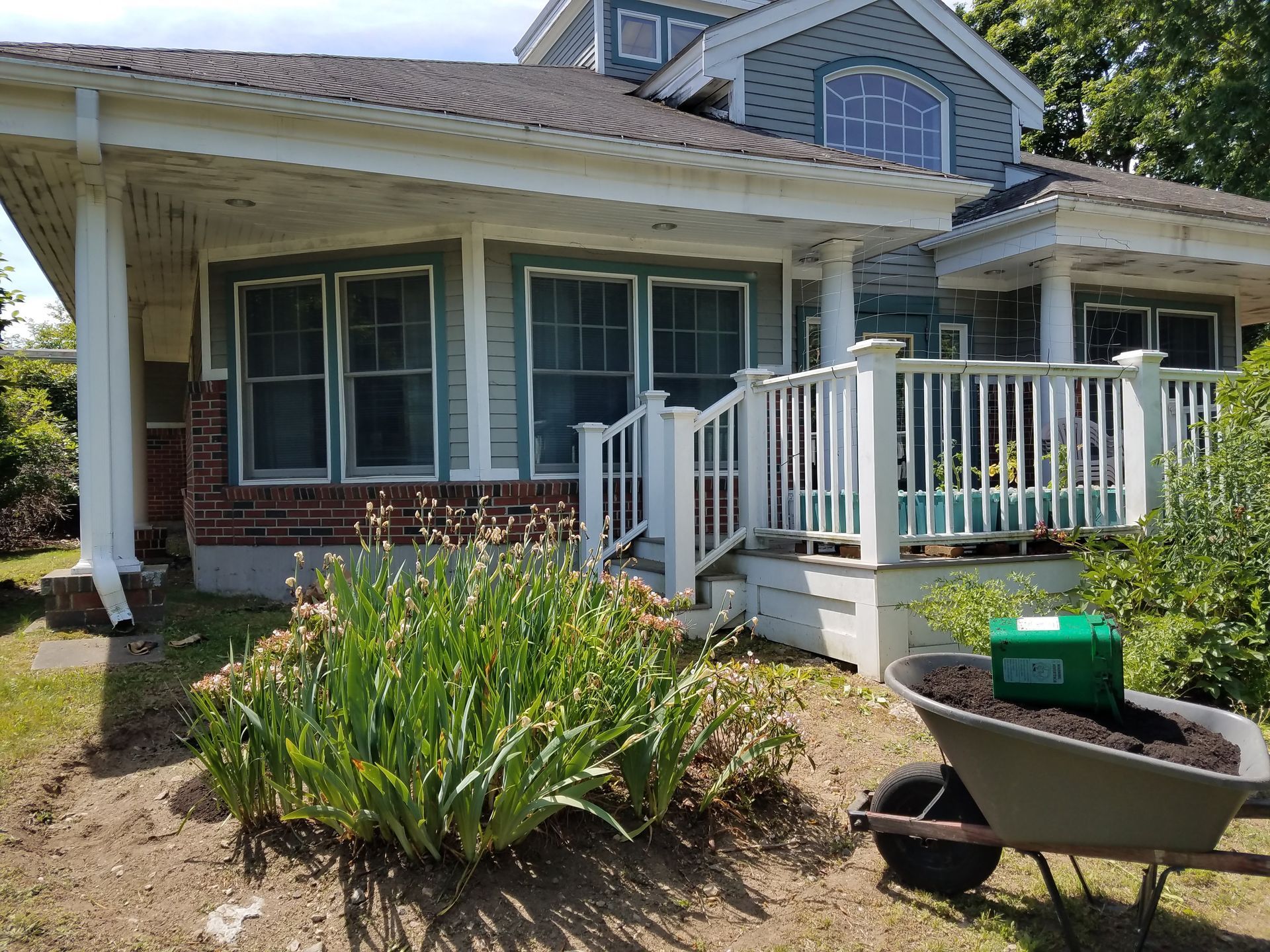
A picture of a flower bed in front of a deck attached to a blue and white building.

Roadside Gardening for Pollinators

We can "green up" our city’s unused spaces, and create valuable wildlife habitat. By planting native plants in the city-owned planting strip or bump-out (curb extension) in front of your own residence, you'll help migrating and local birds, butterflies, and bees.

Download WCG's step-by-step guide to planting in strips and bump-outs.

Other Roadside Gardening Resources

  • Read the Department of Public Works' Planting Strip Guide that highlights important city guidelines, native plant suggestions, and lay-out designs. This and more useful information is available at the Forestry Department's webpage.
  • View a presentation on how Melinda Dennis, a Watertown Community Garden board member, converted the bump-out in front of her residence on Hosmer Street into a vibrant pollinator garden.


If you do plant, please let us know. We would love to hear from you!

Naturally Managed Gardens

Life-Friendly Garden Tours

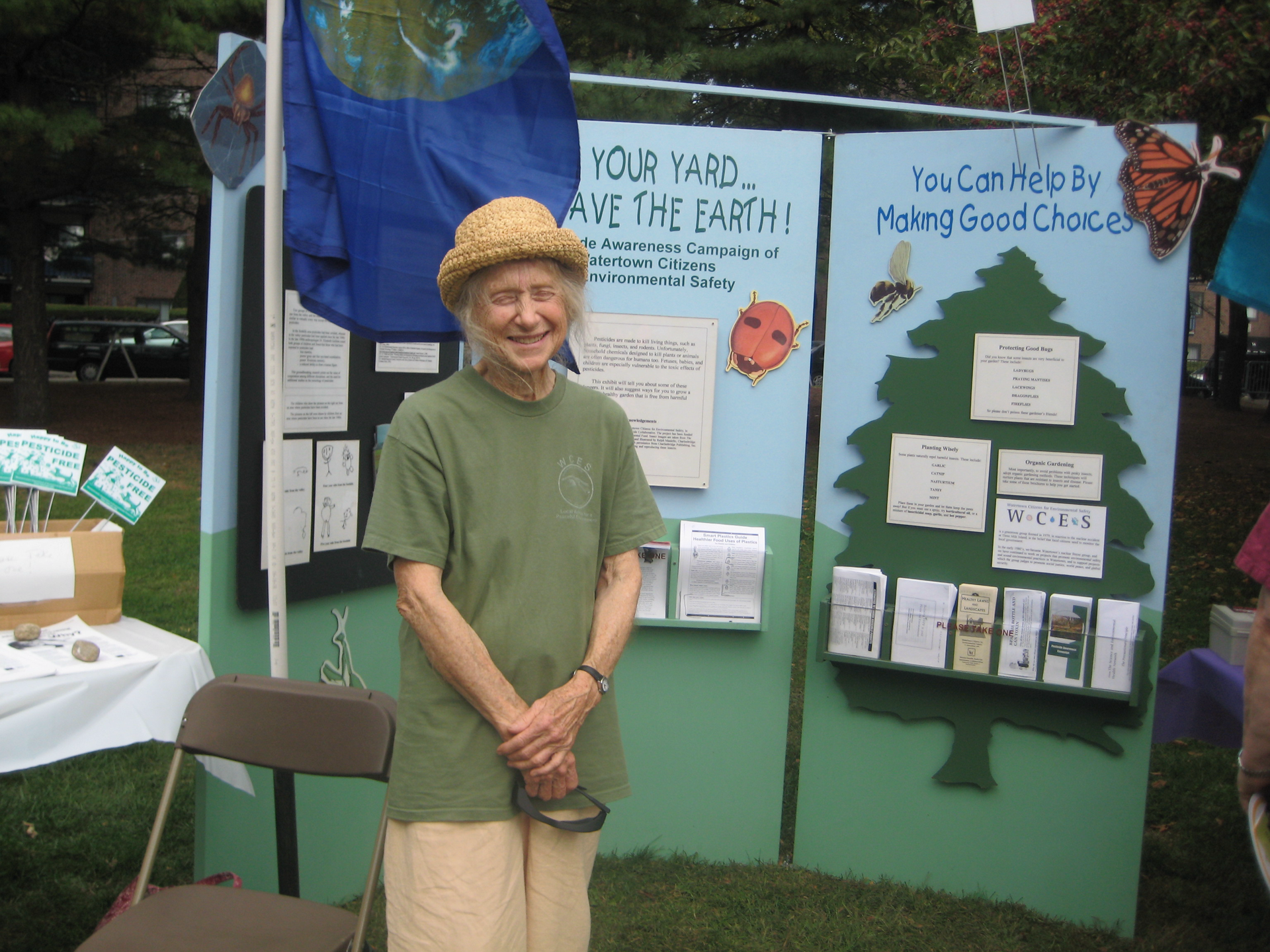
Are you concerned about chemicals in the home and garden? Or thinking about ways the green spaces in Watertown could benefit you and the environment? Or would you just like to visit some wonderful gardens? We’d love for you to join our annual tour celebrating life-friendly home gardens: spaces that haven’t been treated with chemical pesticides, herbicides, or fertilizers for at least a year.


This beloved tour was founded by Watertown Citizens for Peace, Justice and the Environment. In recent years we have co-hosted the tour with the WCPJE working group, Friends of Bees. We’re thrilled to welcome their team to WCG as we continue our shared commitment to supporting pollinators and healthy gardens for a thriving local ecosystem.

Learn more >

Watertown-Cambridge Greenway Stewardship

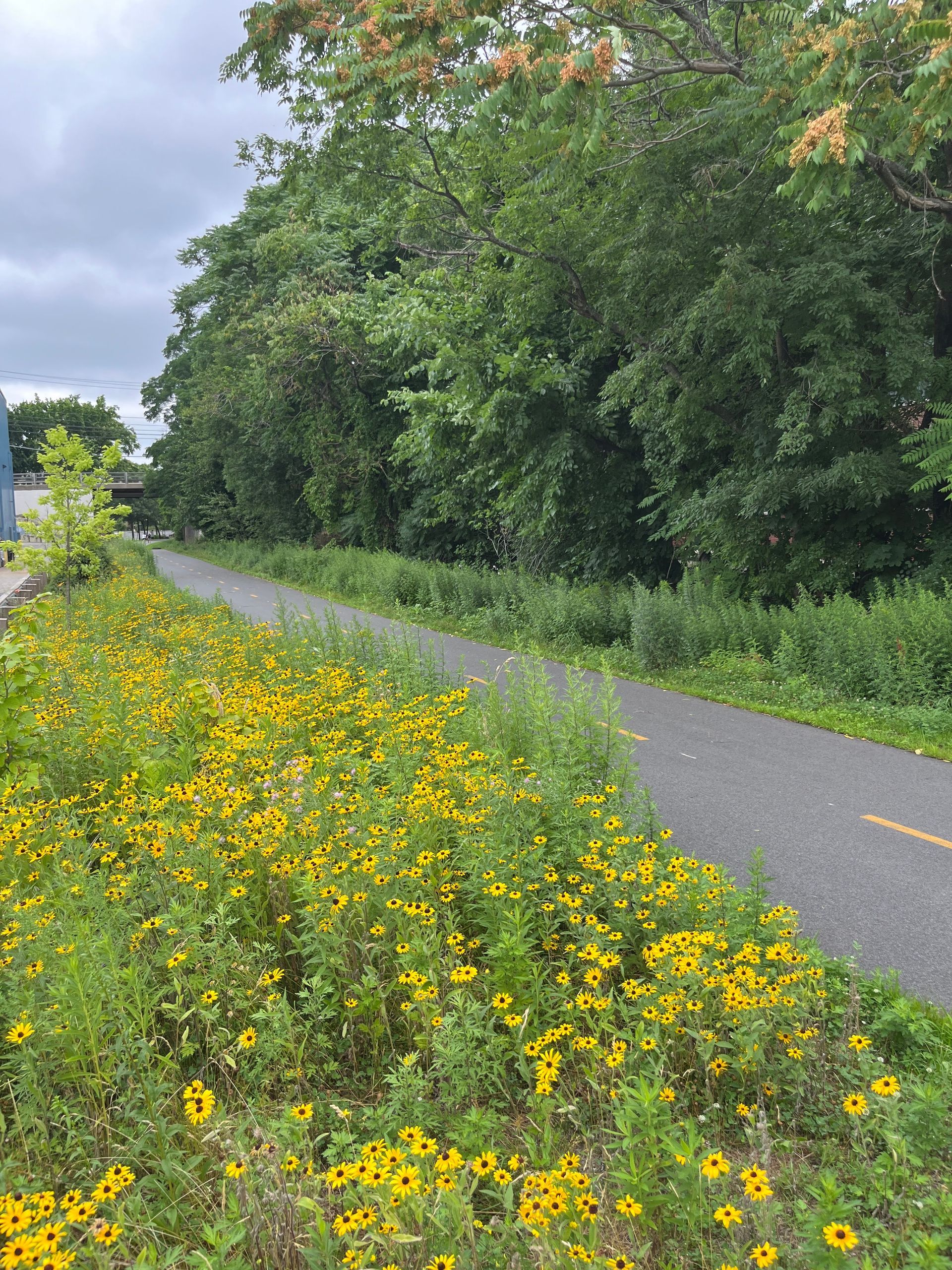
The Watertown-Cambridge Greenway is both an important pollinator pathway and a community treasure. Completed in 2022, it connects East Watertown to the Fresh Pond Reservation in Cambridge, providing a critical link between significant pollinator habitats at the Charles River, Mount Auburn Cemetery and Fresh Pond Reservation.


With this new green area comes stewardship to maintain a safe habitat for us and the wildlife that sustains the environment. Our Greenway volunteers work to remove invasive plant species, plant native plants, remove litter, and provide ongoing care to this critical link.


Learn more about the Greenway and volunteering >

POLLINATOR PATHWAY EVENTS

We hold fun events with major impact. Our events include activities like:

  • Public garden cleanup
  • Planting native plants
  • Weeding and removing invasive species (such as black swallow-wort)
  • Knowledge-sharing sessions, tours, and demonstrations for life-friendly gardening


Our upcoming pollinator pathway events are listed below.


Related Articles

Family gardening in a backyard, planting soil in a raised bed with a seed packet visible.
April 21, 2026
By Lori Shapiro  Spring has, finally and gloriously, burst. The warmer, longer days are driving the emergence of stunning spring flowers. The delightful weather and colorful blooms may motivate you to finally buy those seeds you have been thinking about. But summer is fast approaching, and you have so many demands on your time, and the easiest and fastest way to buy some seeds is with a couple quick clicks on Amazon. What could possibly go wrong? These very relatable sentiments were expressed by a colleague as she excitedly showed me a package of sweet pea seeds she had recently ordered on Amazon , as visions of delicious homegrown spring peas delighted her imagination.
February 28, 2026
WCG wants to help gardeners in the community grow the best plants for pollinators and diversity of local wildlife! Now is the time to be planning our gardens, and planting native plant seeds! Turning gallon jugs into mini-greenhouses is a great way to grow your own plants, a method called “winter seed sowing”. We have instructions for this method here: Winter Seed Sowing Basics - WCG.pdf Seeds that require 30 days or fewer of cold stratification (exposing seeds to cold, moist conditions to break dormancy). Even though snow is melting, seeds can still be stratified in temperatures between 34 and 40 degrees Fahrenheit.
Corner of compost bin
February 17, 2026
Backyard Composting Resources Composting Basics from Cornell Extension Detailed Composting Instructions from Cornell Extension MassDEP Composting Instructions Instructions to make a wire compost bin Local Residential Composting Services Black Earth Compost Bootstrap Compost City Compost Healthy Soil resources  Building Healthy Soil - a good comprehensive article about building healthy organic garden soil Climate Victory Gardening 101 from Green America. Includes 10 Carbon Capturing Practices The Carbon Sequestering Garden - a Northeast Organic Farming Association MA Chapter NOFA/Mass publication International Year of Soils 2015 from the Food and Agriculture Organization of the United Nations Symphony of the Soil (film) - is an artistic exploration of the miraculous substance soil. By understanding the elaborate relationships and mutuality between soil, water, the atmosphere, plants and animals, we come to appreciate the complex and dynamic nature of this precious resource. The Hidden Half of Nature: The Microbial Roots of Life and Health