

Welcome

to Watertown Community Gardens

Who are we?

WHERE NATURE & NURTURE THRIVE

Founded in 2011, Watertown Community Gardens’ (WCG) mission is to empower people to grow their own food, promote environmental stewardship, and cultivate community connections through gardening in Watertown.


WCG has created and maintains several public pollinator gardens throughout the city to support native plants and pollinators, such as bees, butterflies, and even birds.


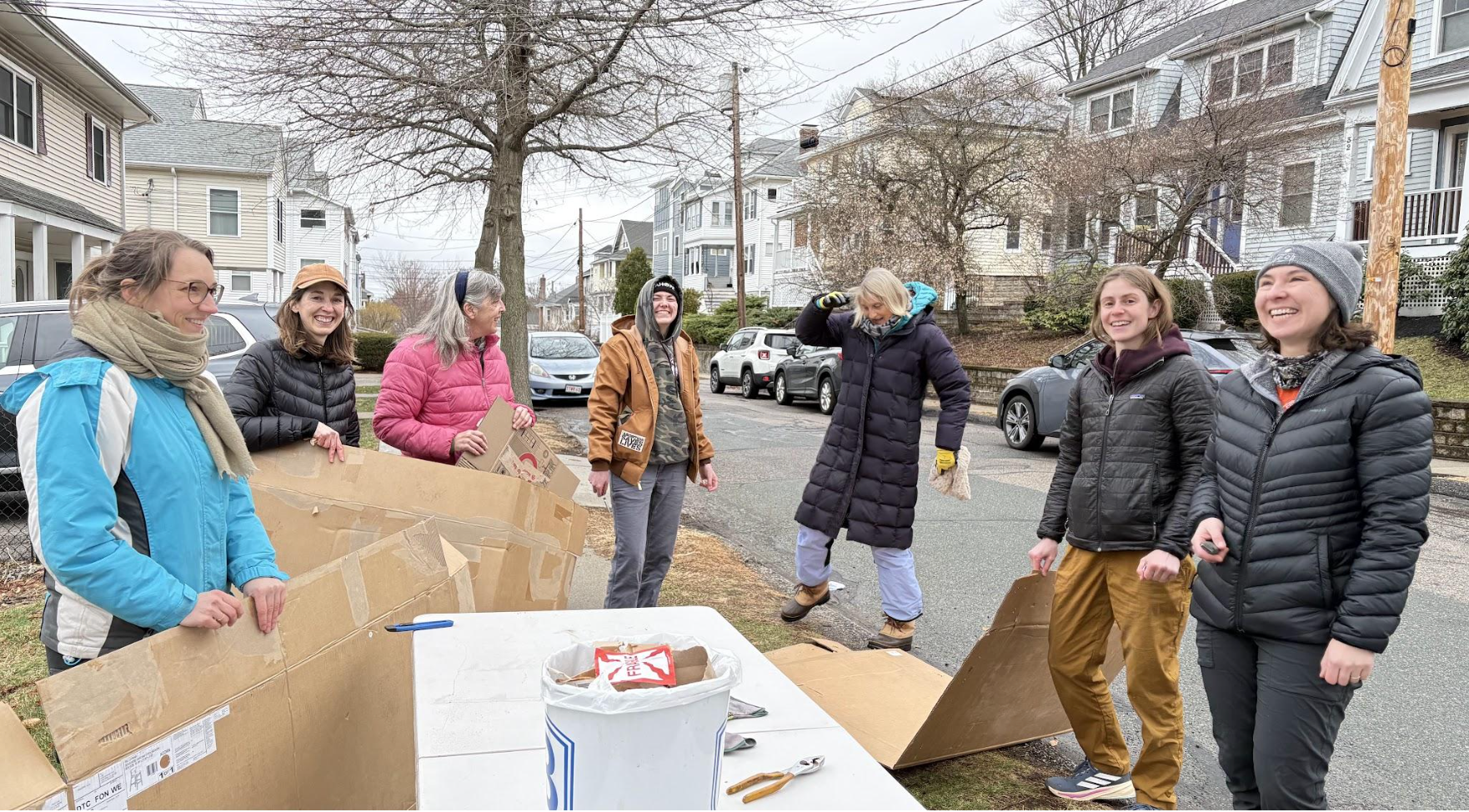
We hold volunteer work days, during which volunteers help with garden care while learning about the benefits of planting native plants and how they can beautify the community.

UPCOMING EVENTS

Registration is quick, just grab a free ticket and check out.

See our full list of events on the Events page.

OUR GARDENS

Explore the map to see all Community Gardens (🌱) and public Pollinator Gardens (🦋) locations managed by Watertown Community Gardens. Some gardens grow fresh food for the community, while others offer floral resources and homes wildlife.


Whether you’re looking for a plot, seeking inspiration, or just curious about where we tend the green spaces in Watertown, our map is the place to start.


Is there a garden near you?

Our Work

Greenway Stewardship

WCG has a standing agreement with the DCR to remove invasive plant species, plant native plants, remove litter, and be stewards for the Watertown-Cambridge Greenway.

From community gardens to pollinator plantings, our projects nurture shared green spaces while protecting the ecological health of our city.

Sunset over Arsenal Park Community Garden with raised beds, flowers, and a lit brick building in the background

Community Gardens

Watertown Community Gardens currently operates two community gardens: Arsenal Park Community Garden and Union Market Community Garden.

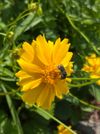
Bee on bright yellow flower among green leaves

Public Pollinator Gardens

WCG currently maintains six public pollinator gardens with the goal of connecting habitat for pollinators to forage in continuous pathways through our city.

Friends of Bees logo
May 19, 2026
by Pam Phillips  As you may know, for the last several years, Friends of Bees, a working group of Watertown Citizens for Peace, Justice, and the Environment (WCPJE) , have been meeting and collaborating with WCG’s Pollinator Pathways Committee. Together we have held the Life-Friendly Garden Tour, maintained public pollinator gardens, led pollinator walks, and more. Together we support Watertown's Mayor's Monarch Pledge . Together, we educate about and advocate for our native bees, Monarch butterflies and other pollinators. This year, Friends of Bees are making that togetherness official by merging with the Pollinator Pathways Committee. Twelve years ago, Watertown Citizens asked “What is happening to the bees?” and formed a new working group, Friends of Bees. Friends of Bees learned about the many challenges bees face, especially pesticides and habitat loss. Today, we welcome Friends of Bees to a new home with Watertown Community Gardens. The Life-Friendly Garden Tour, with its rich history of 28 chemical-free garden tours over nearly twenty years, will also be hosted by WCG. WCPJE has always served as an incubator for community groups. Over the years, many initiatives started and fostered under WCPJE later matured into independent organizations expanding the circle of like minded activists. Watertown Community Gardens was one such group. Friends of Bees thanks WCPJE for an abundance of enthusiasm and support as we branch off, while maintaining our role in the larger Watertown community. To stay in touch with Friends of Bees and the Life-Friendly Garden Tour please visit Watertown Community Gardens at our new website . When you sign up for the WCG newsletter , make sure to indicate your interest in pollinators and eco gardening. Details of the 2026 Life-Friendly Garden Tour will be shared in the WCG newsletter this summer. Keep buzzing!

April 23, 2026
By Linda Relson, with Pam Phillips Spring is a really exciting time to see the landscape coming back to life. On multiple occasions in the last couple of weeks, I've seen queen bumblebees, Bombus spp. , drinking nectar from cherry blossoms, and zooming along the ground looking for nesting sites. It’s a sure sign of the season and it lifts my spirits every time.
April 22, 2026
By Naomi Shea The season has officially kicked off at Watertown Community Gardens, bringing excitement and potential for new growth—both in the garden and within our community. This season, we're thrilled to have partnered with Waltham Fields Community Farm (WFCF), which graciously opened its greenhouse to support our efforts in planting our donation plots. Arsenal Park Community Gardens (APCG) captains, Marilyn and Susan, carefully prepared trays of seedlings at home before transporting them to the greenhouse. These trays included a variety of crops such as lettuces, mixed greens, leeks, onions, tomatoes, kale, chives, parsley, and more!
Family gardening in a backyard, planting soil in a raised bed with a seed packet visible.
April 21, 2026
By Lori Shapiro  Spring has, finally and gloriously, burst. The warmer, longer days are driving the emergence of stunning spring flowers. The delightful weather and colorful blooms may motivate you to finally buy those seeds you have been thinking about. But summer is fast approaching, and you have so many demands on your time, and the easiest and fastest way to buy some seeds is with a couple quick clicks on Amazon. What could possibly go wrong? These very relatable sentiments were expressed by a colleague as she excitedly showed me a package of sweet pea seeds she had recently ordered on Amazon , as visions of delicious homegrown spring peas delighted her imagination.
March 3, 2026
Fostering Community Through Sustainable Food Practices
February 28, 2026
WCG wants to help gardeners in the community grow the best plants for pollinators and diversity of local wildlife! Now is the time to be planning our gardens, and planting native plant seeds! Turning gallon jugs into mini-greenhouses is a great way to grow your own plants, a method called “winter seed sowing”. We have instructions for this method here: Winter Seed Sowing Basics - WCG.pdf Seeds that require 30 days or fewer of cold stratification (exposing seeds to cold, moist conditions to break dormancy). Even though snow is melting, seeds can still be stratified in temperatures between 34 and 40 degrees Fahrenheit.

Recent Blog Posts

See our full list of posts on the Blog page.