Pollinators of Spring

April 23, 2026

By Linda Relson, with Pam Phillips


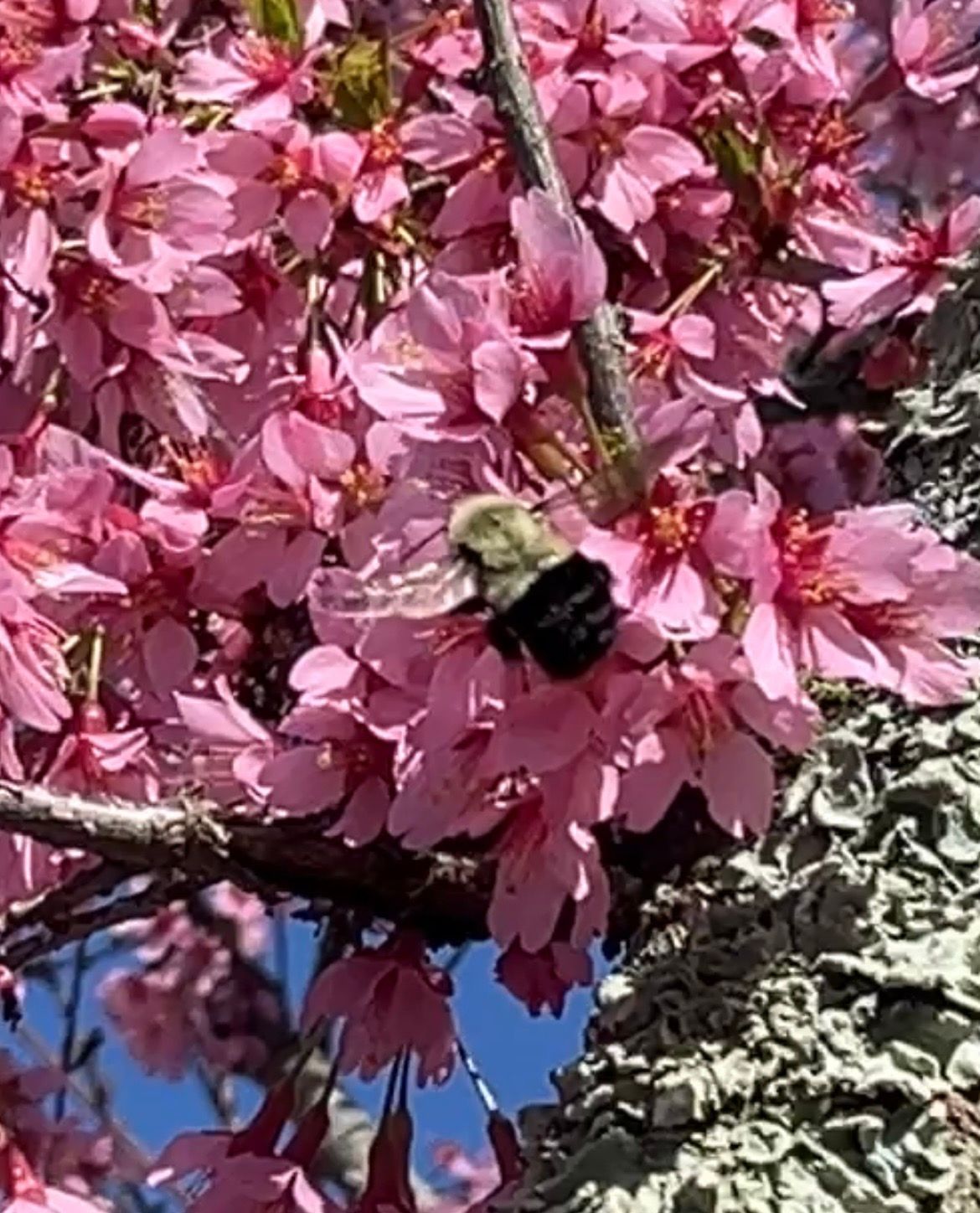
Spring is a really exciting time to see the landscape coming back to life.  On multiple occasions in the last couple of weeks, I've seen queen bumblebees, Bombus spp., drinking nectar from cherry blossoms, and zooming along the ground looking for nesting sites.  It’s a sure sign of the season and it lifts my spirits every time. 

A queen bumblebee (Bombus spp.)

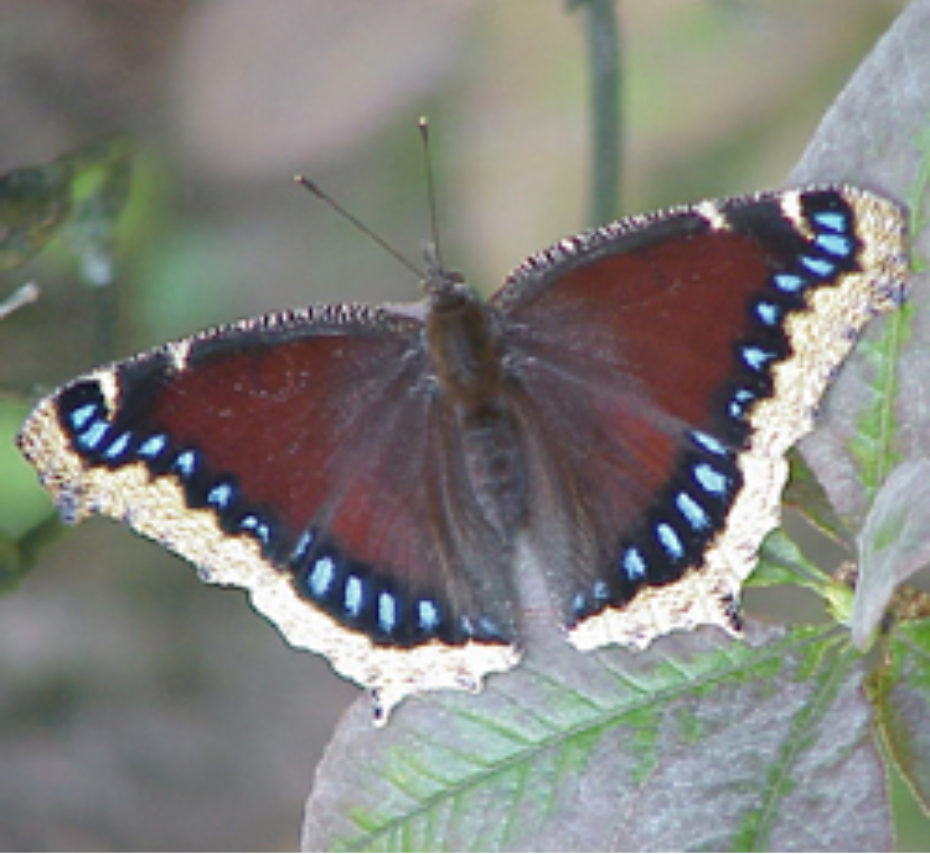
I even saw my first mourning cloak butterfly, Nymphalis antiopa, recently while walking in a conservation land in Lexington.  These are some of the first butterflies we see in the Spring because they hibernate through winter as adult butterflies in hollow trees and woodpiles (reference and image source).  Other types of butterflies and moths overwinter as eggs, caterpillars or pupae, so we don’t see the adults in flight until later months.

A mourning cloak butterfly (Nymphalis antiopa)

In my own yard, I am thrilled to see my perennial mining bee colony emerge in a flurry of activity.  These bees are Dunning's miners, Andrena dunningi, and they live in a section of my garden that is quite bare in early spring, before the plants have leafed out.  The area gets sun in the afternoon, and the bees tend to be most active when the ground is warmed by the sunshine and the wind is low.


These bees emerged from tunnels in the ground, having developed from eggs that were laid last Spring.  Females dig tunnels in the soil, laying eggs and provisioning each egg with pollen (protein-rich food source) along the way.  The tunnels are about the width of a pencil, around 6-8mm.

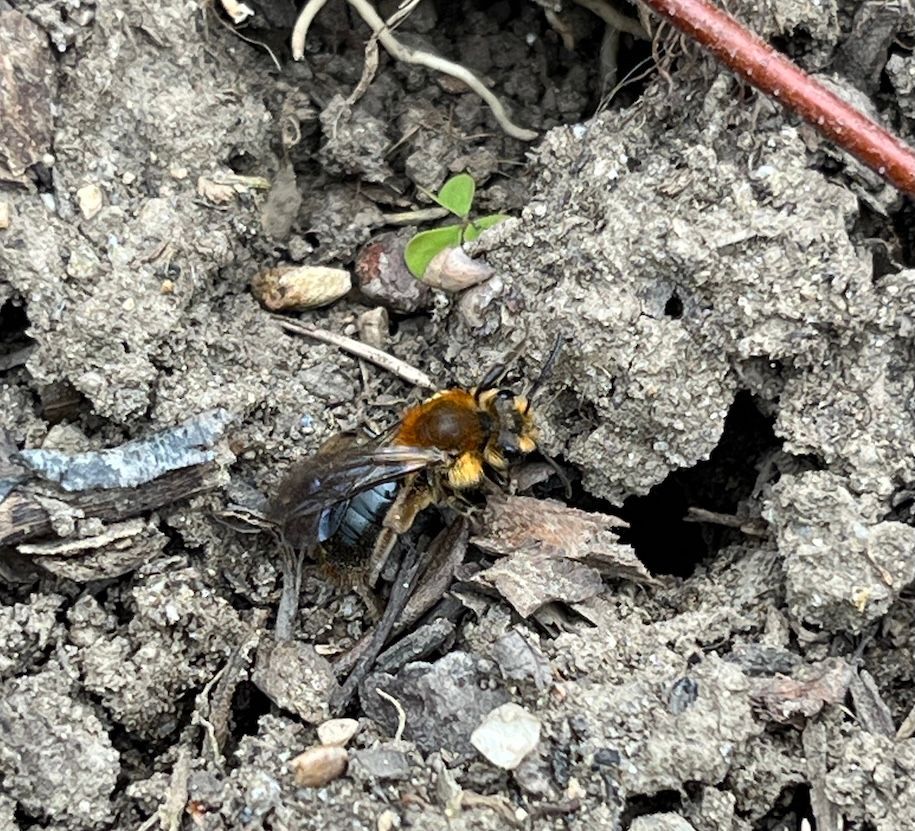
A female Dunning's miner bee (Andrena dunningi) by a tunnel opening

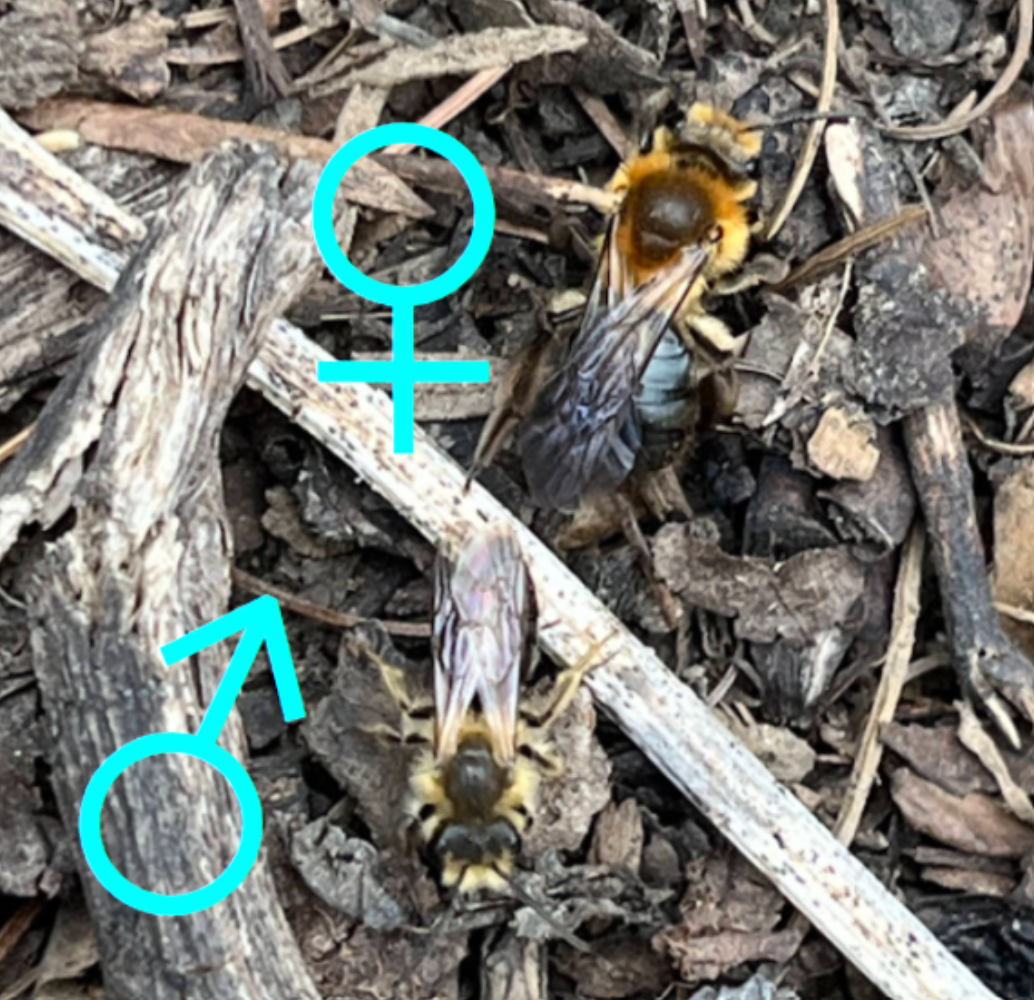
These bees are about the size of a honeybee, with shiny black abdomens, (or butts). The females are slightly larger, with darker orange on their thorax (midsection).  They also have fuzzy legs which hold pollen like tiny brushes. The males are smaller, with a lighter yellow color fuzz on their thorax.  Males do not collect pollen from flowers, so their legs are and much skinnier.

Female and male Dunning's miner bees

Unlike honeybees and other social bees that live in hives, mining bees do not typically act defensive towards humans near their nests.  This makes for great up-close bee-watching, without fear of being stung.

Share this post on

Recent Posts

April 22, 2026
By Naomi Shea The season has officially kicked off at Watertown Community Gardens, bringing excitement and potential for new growth—both in the garden and within our community. This season, we're thrilled to have partnered with Waltham Fields Community Farm (WFCF), which graciously opened its greenhouse to support our efforts in planting our donation plots. Arsenal Park Community Gardens (APCG) captains, Marilyn and Susan, carefully prepared trays of seedlings at home before transporting them to the greenhouse. These trays included a variety of crops such as lettuces, mixed greens, leeks, onions, tomatoes, kale, chives, parsley, and more!
Family gardening in a backyard, planting soil in a raised bed with a seed packet visible.
April 21, 2026
By Lori Shapiro  Spring has, finally and gloriously, burst. The warmer, longer days are driving the emergence of stunning spring flowers. The delightful weather and colorful blooms may motivate you to finally buy those seeds you have been thinking about. But summer is fast approaching, and you have so many demands on your time, and the easiest and fastest way to buy some seeds is with a couple quick clicks on Amazon. What could possibly go wrong? These very relatable sentiments were expressed by a colleague as she excitedly showed me a package of sweet pea seeds she had recently ordered on Amazon , as visions of delicious homegrown spring peas delighted her imagination.
March 3, 2026
Fostering Community Through Sustainable Food Practices
April 22, 2026
By Naomi Shea The season has officially kicked off at Watertown Community Gardens, bringing excitement and potential for new growth—both in the garden and within our community. This season, we're thrilled to have partnered with Waltham Fields Community Farm (WFCF), which graciously opened its greenhouse to support our efforts in planting our donation plots. Arsenal Park Community Gardens (APCG) captains, Marilyn and Susan, carefully prepared trays of seedlings at home before transporting them to the greenhouse. These trays included a variety of crops such as lettuces, mixed greens, leeks, onions, tomatoes, kale, chives, parsley, and more!
Family gardening in a backyard, planting soil in a raised bed with a seed packet visible.
April 21, 2026
By Lori Shapiro  Spring has, finally and gloriously, burst. The warmer, longer days are driving the emergence of stunning spring flowers. The delightful weather and colorful blooms may motivate you to finally buy those seeds you have been thinking about. But summer is fast approaching, and you have so many demands on your time, and the easiest and fastest way to buy some seeds is with a couple quick clicks on Amazon. What could possibly go wrong? These very relatable sentiments were expressed by a colleague as she excitedly showed me a package of sweet pea seeds she had recently ordered on Amazon , as visions of delicious homegrown spring peas delighted her imagination.
March 3, 2026
Fostering Community Through Sustainable Food Practices

RECENT Posts