Growing Food
Dig In For Our Community
General Information
Why Growing Food Matters
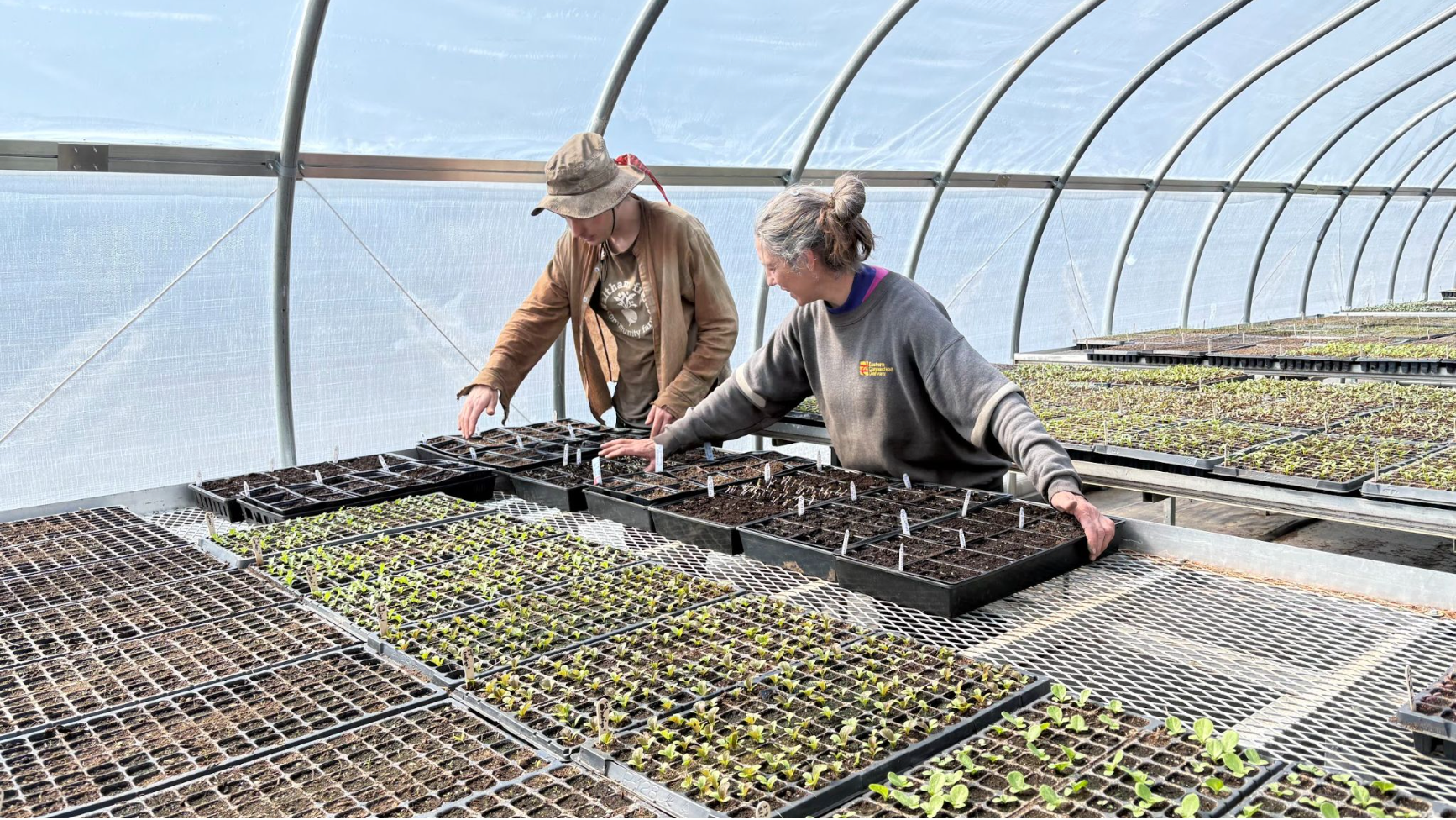
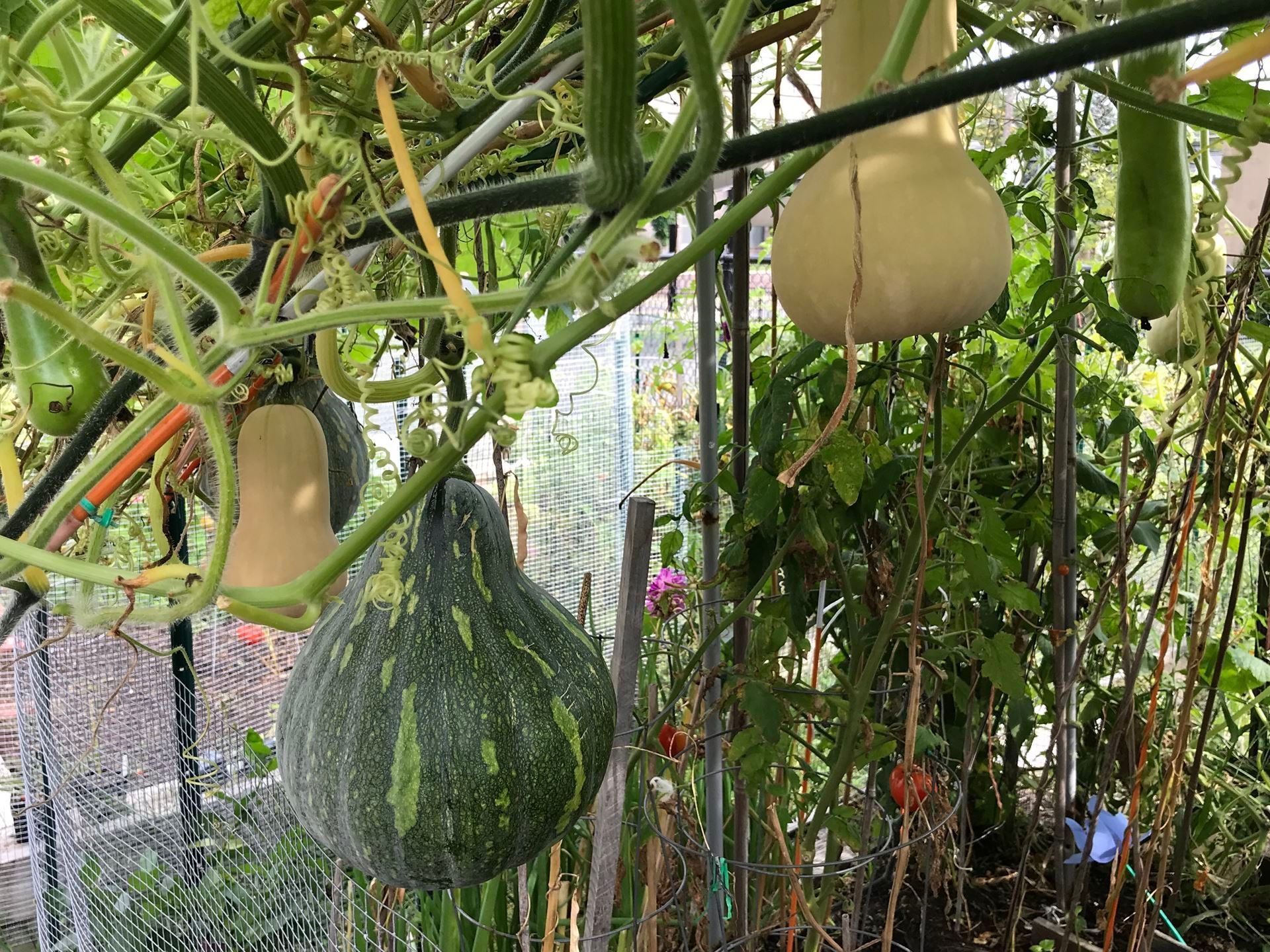
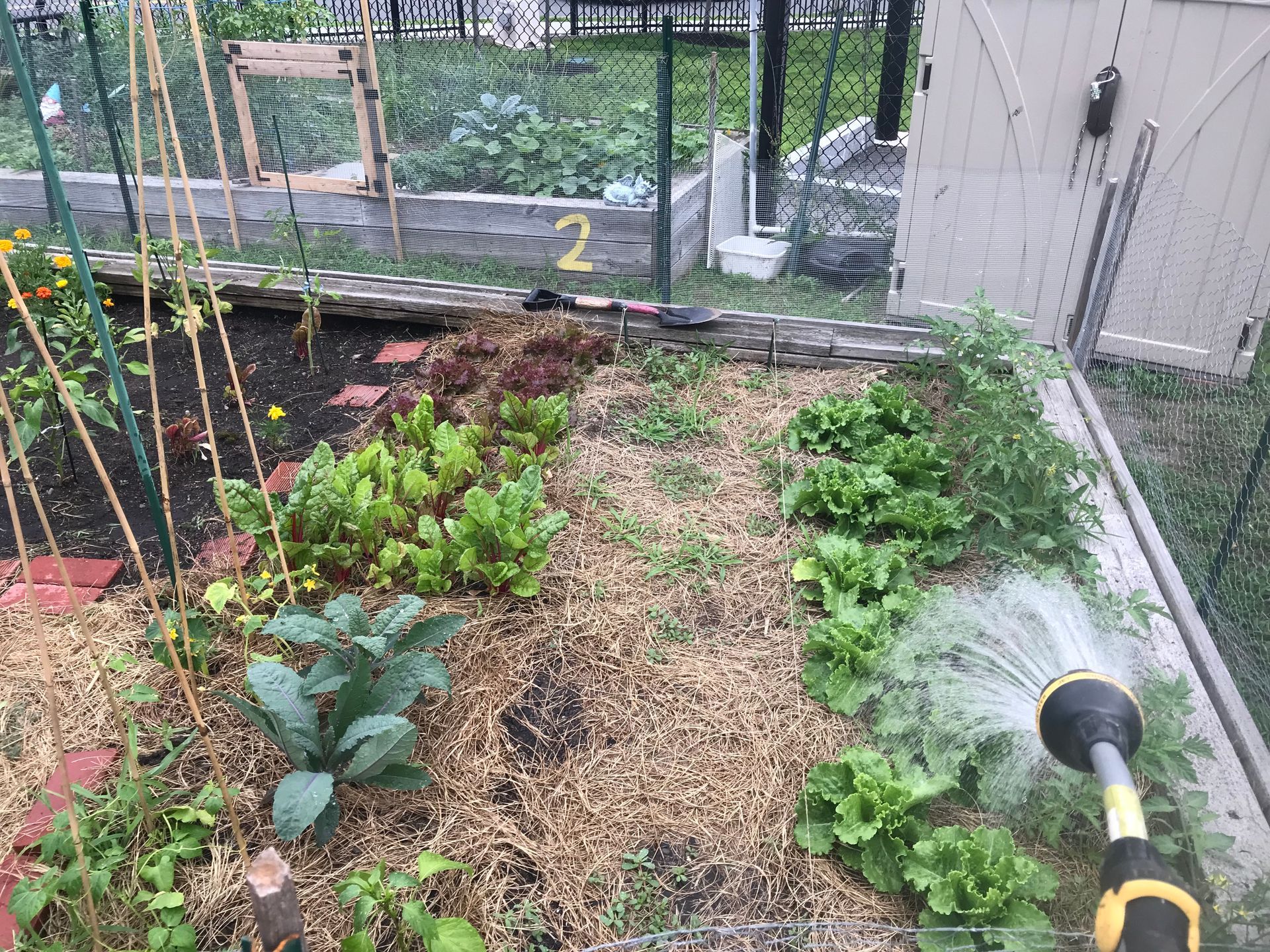
Growing food locally strengthens our community from the ground up. It increases access to fresh produce, builds resilience in the face of climate challenges, and reconnects us to the land—and to one another.
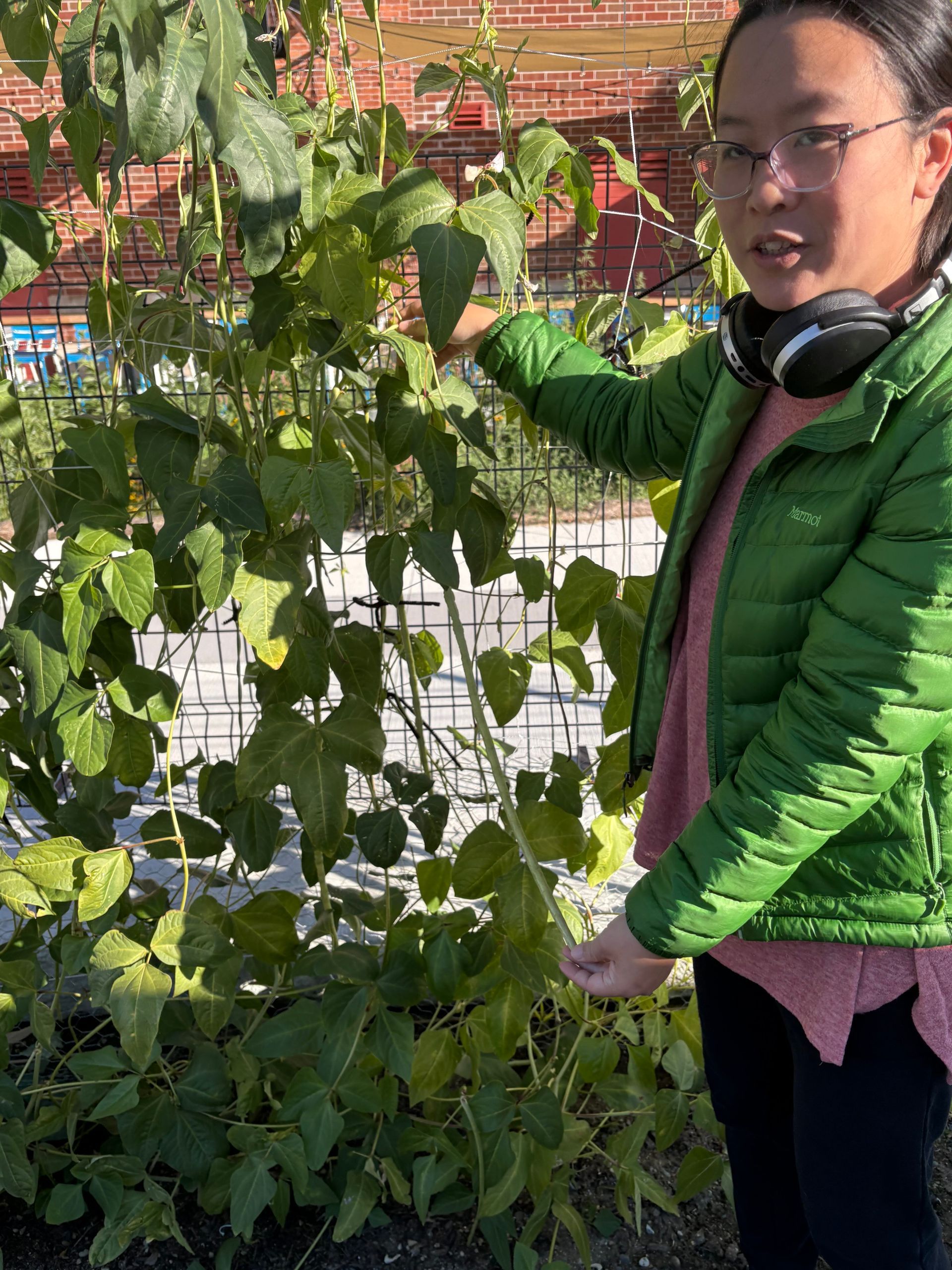
Through hands-on gardening, skill-sharing, and collaborative projects, we help community members gain confidence in growing and sharing their own food. When more people know how to grow food, our whole community becomes more self-reliant and connected.
What We Do
WCG’s food-growing initiatives are primarily lead by the Food Committee. Our upcoming work may include:
- Workshops on sustainable and organic growing practices
- Sharing seasonal tips, tools, and resources
- Organizing volunteer days and hands-on learning opportunities
- Exploring partnerships that increase local food access
We have exciting projects in the works—stay tuned for updates!

Ways to Participate
There are many ways to participate:
- Join a volunteer work day
- Add your name to the Garden Plot Waitlist
- Attend a workshop
- Share your skills or resources

Food Growing at Lexington Gardens
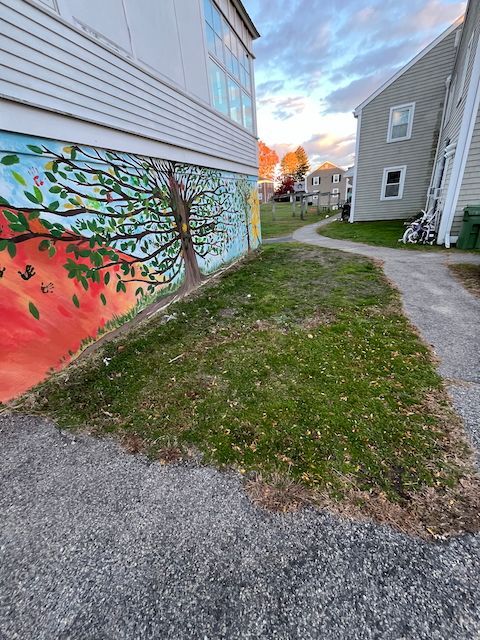
Thanks to a grant from the Watertown Community Foundation, we are starting a pilot community garden project at the Lexington Gardens housing development.
We're excited to work with Watertown Housing Authority and the Lexington Gardens residents.

At Knowles Delta
Location: Intersection of Belmont & Lexington Streets
Raised bed planted densely with native plants in Fall 2022. Plant species include
Penstemon digitalis &
hirsutus,
Solidago speciosa,
Asclepias tuberosa,
Rudbeckia hirta, and more.
dept. public works
Location: 124 Orchard St, Watertown, MA 02472
Planted in 2021 near the DPW sign; includes natives as Joe-Pye weed (Eutrochium), cutleaf coneflower (Rudbeckia laciniata), golden alexander (Zizia aurea), and asters (Aster).
At the Watertown Council on Aging
Location: 31 Marshall St, Watertown, MA 02472
Numerous native plants added to an existing garden space behind the senior center. Added plants include:
blue stem goldenrod (Solidago caesia),
barren strawberry (Waldsteinia fragarioides),
heart-leafed foamflower (Tiarella cordifolia),
native sunflowers, native roses,
wild strawberry (Fragaria virginiana),
sundrops (Oenothera fruticosa),
boneset (Eupatorium perfoliatum),
Agastache,
chokeberry (Aronia),
bayberry (Myrica),
asters (Aster),
Penstemon,
turtlehead (Chelone).
On Boylston Street
Location: Intersection of Boylston, Howe & Hazel St.
Originally installed by MassDOT around 2019, adopted by Watertown Community Gardens and Friends of Bees in Fall 2022. Plant species include:
Lowbush blueberry (Vaccinium angustifolium),
virginia rose (Rosa virginiana),
little bluestem (Schizachyrium scoparium),
spotted beebalm (Monarda punctata),
narrow leaved mountain mint (Pycnanthemum tenuifolium).
Heading
text
text
Heading
text
Naturally Managed Gardens
Life-Friendly Garden Tours
Are you a Watertown gardener who grows without chemicals? Or wants to see how it's done? We’d love for you to join our annual tour celebrating life-friendly home gardens: spaces that haven’t been treated with chemical pesticides, herbicides, or fertilizers for at least a year.
This beloved tour was previously hosted by Friends of Bees, a subgroup of Watertown Citizens for Peace, Justice and the Environment. We’re thrilled to welcome their team to WCG as we continue our shared commitment to supporting pollinators and healthy gardens for a thriving local ecosystem.
Events for Growing Food
Our upcoming food gardening events are listed below.
Join The Food Committee!
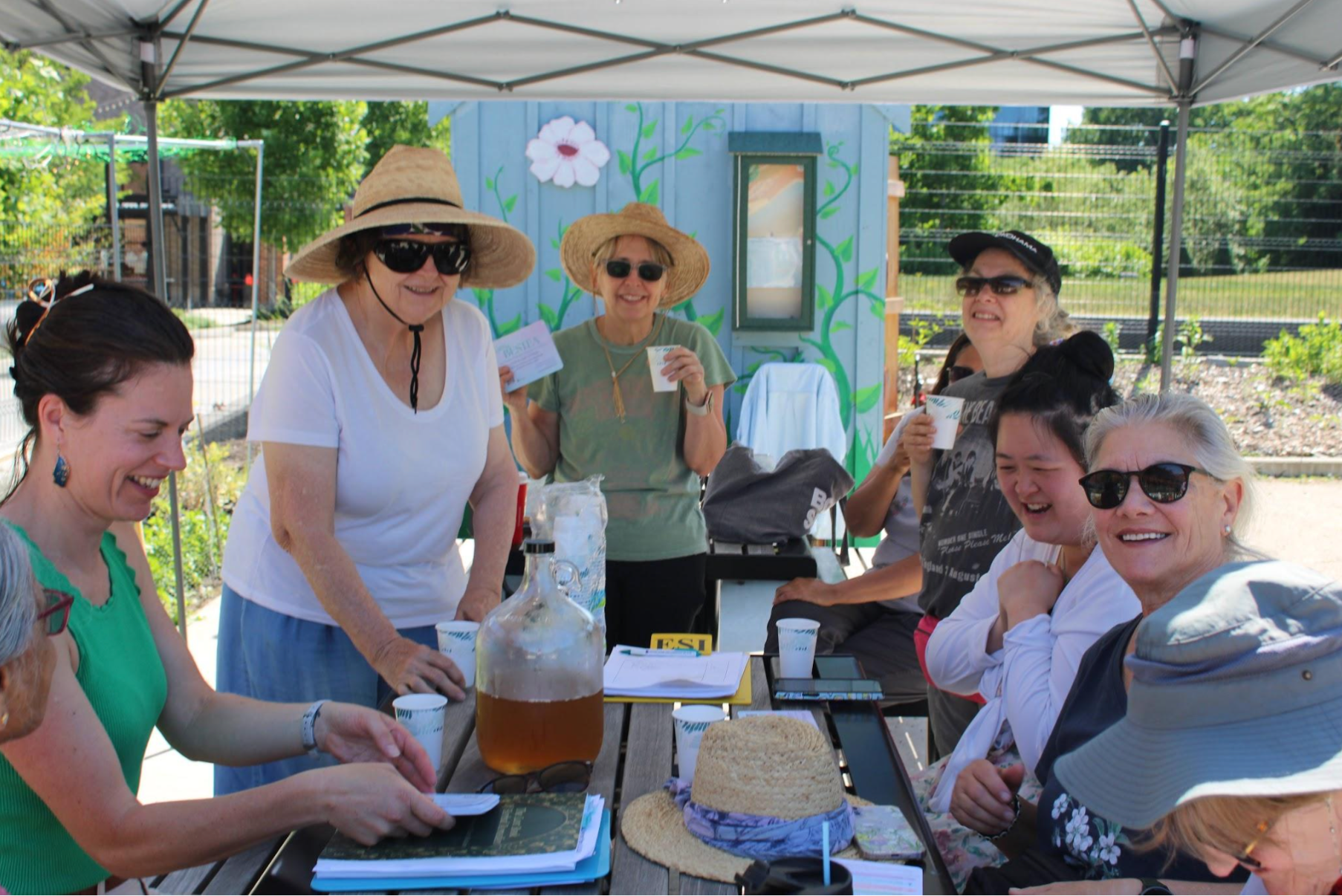
The Food Committee welcomes organizers, growers, educators, and anyone curious about helping our community grow stronger through food.
If you're interested in this line of work, we’d love to have you involved.
Related Articles