Life-Friendly Garden TourS

Naturally Managed Gardens

What is the Life-Friendly Garden Tour?

The Life-Friendly Garden Tour demonstrates that beautiful, thriving gardens can support an abundance of living beings when managed without chemical pesticides, herbicides, or fertilizers.


Each year, we host a self-guided tour of local gardens in Watertown where these chemicals have not been used for at least one year. These tours highlight thoughtful, inspiring examples of how Watertown residents are creating safe spaces for native plants, pollinators, and birds.


Beginning in 2026, the LFGT team joins WCG to strengthen our shared mission. We hope you’ll join the conversation, explore the gardens, and feel inspired to bring more life-friendly practices into your own yard.


If you'd like to be added to the Garden Tour mailing list, sign up here.

WCG welcomes:

Friends of Bees logo

Life-Friendly Garden Requirements

  • The garden is located in Watertown, MA.
  • Chemical pesticides, herbicides, or fertilizers have not been used in the garden for at least one year.
  • You may submit your full garden, your front yard, or just your planting strip.


If you will be available during the hours of the Garden Tour to answer questions and share ideas, you will receive a sidewalk flag or yard sign to help guests find you. If you won’t be available that day, you can still have your planting strip included in the Garden Tour, which guests can view from the street.


Watertown Community Gardens has excellent resources for your planting strip available here.

Past Tour Themes

Fall 2025: Bigger than Bugs

Many of the common issues that arise in gardening are related to bugs, but this year we will share and discuss the challenges presented by the burgeoning populations of rabbits, rats, and others. The health of our gardens depends on thoughtful care for all living things — including the often-overlooked mammals, birds, and reptiles that help balance our ecosystems.


While pollinators like bees, butterflies, and moths remain essential, this year’s tour also highlights humane and non-toxic methods of managing rodents and other mammals in the garden. Rat poison and rodent traps may seem like simple fixes, but they cause harm far beyond their targets — poisoning owls, hawks, foxes, coyotes, and even domestic pets. Learn how to deter rodents by creating healthier ecosystems instead of relying on toxic shortcuts.


Fall 2024: Homegrown National Park

In the 27th Life-Friendly Garden Tour we explored how our gardens are part of Homegrown National Park. You can learn more about how you can expand habitat for birds and pollinators, by reducing lawns and adding native trees and flowers, here.


26th Life-Friendly Garden Tour: Mayor’s Monarch Pledge

The 26th Life-Friendly Garden Tour was our first Summer Garden Tour! We celebrated the Monarch butterfly. You can learn more about how you can help the Monarch Butterfly and support the Mayor’s Monarch Pledge here.

About the Life-Friendly Garden Tour


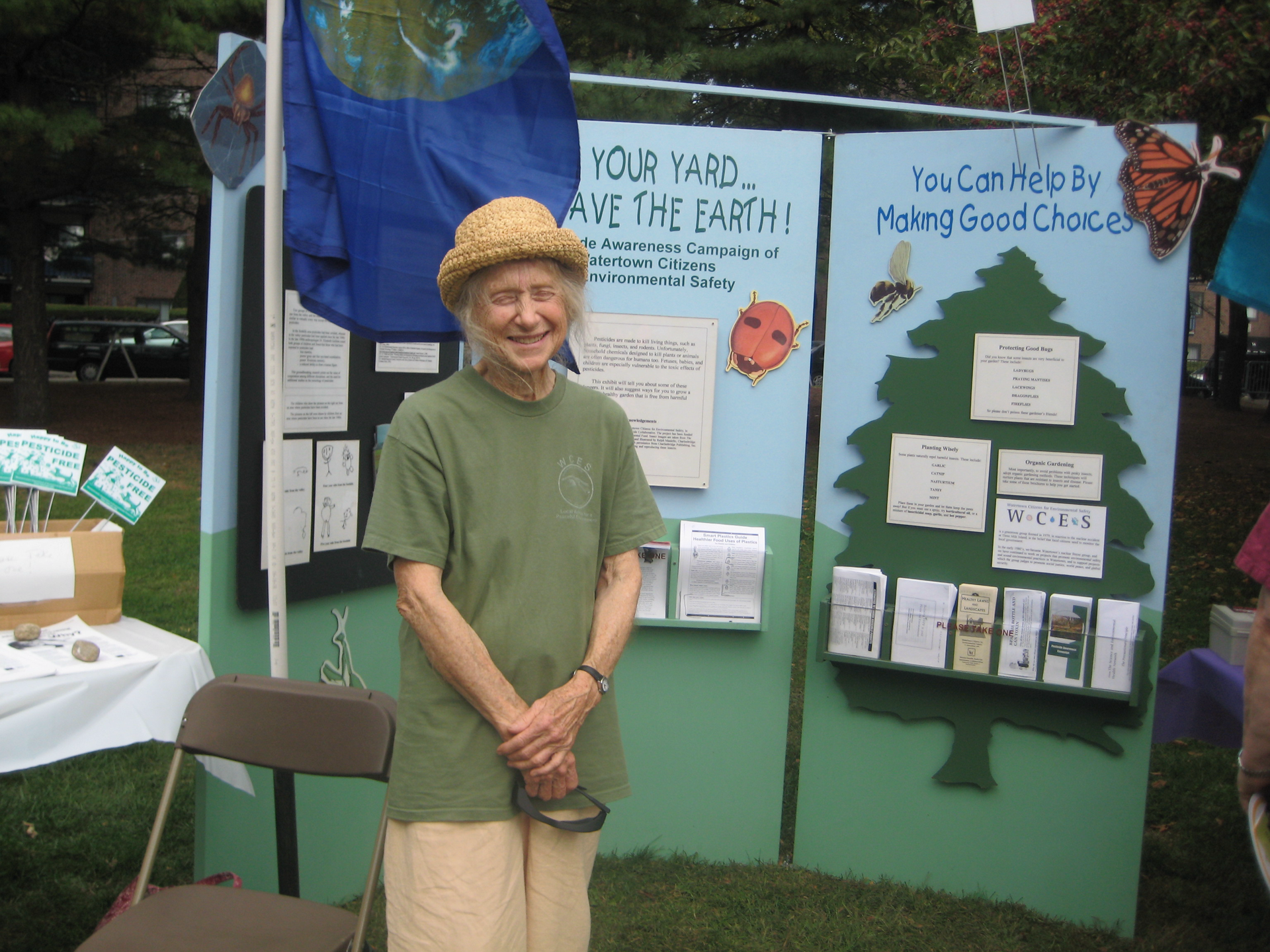
The Life-Friendly Garden Tour was founded by Henrietta Light to educate about gardening without chemical inputs. Exposure to chemical fertilizers and pesticides can sicken people and cause long-term health issues. The impact of chemicals is even worse in the garden. Most insecticides kill insects, whether they are pests, pollinators, or beneficial insects. Herbicides also kill a broad range of plants, including host plants for butterflies and moths, such as the milkweeds that Monarch butterflies depend on. Chemical fertilizers damage the balance of organisms that create a healthy soil. Through the Garden Tour and other events, we demonstrate that no chemicals are needed to create vibrant, healthy yards.


The first Chemical-Free Garden Tour took place in 2007. Since eliminating chemicals is rewarded by an increase in living beings, the name was changed to the Life-Friendly Garden Tour. It usually is held on the second Sunday in September. This self-guided tour is free and open to the public.

Related Articles

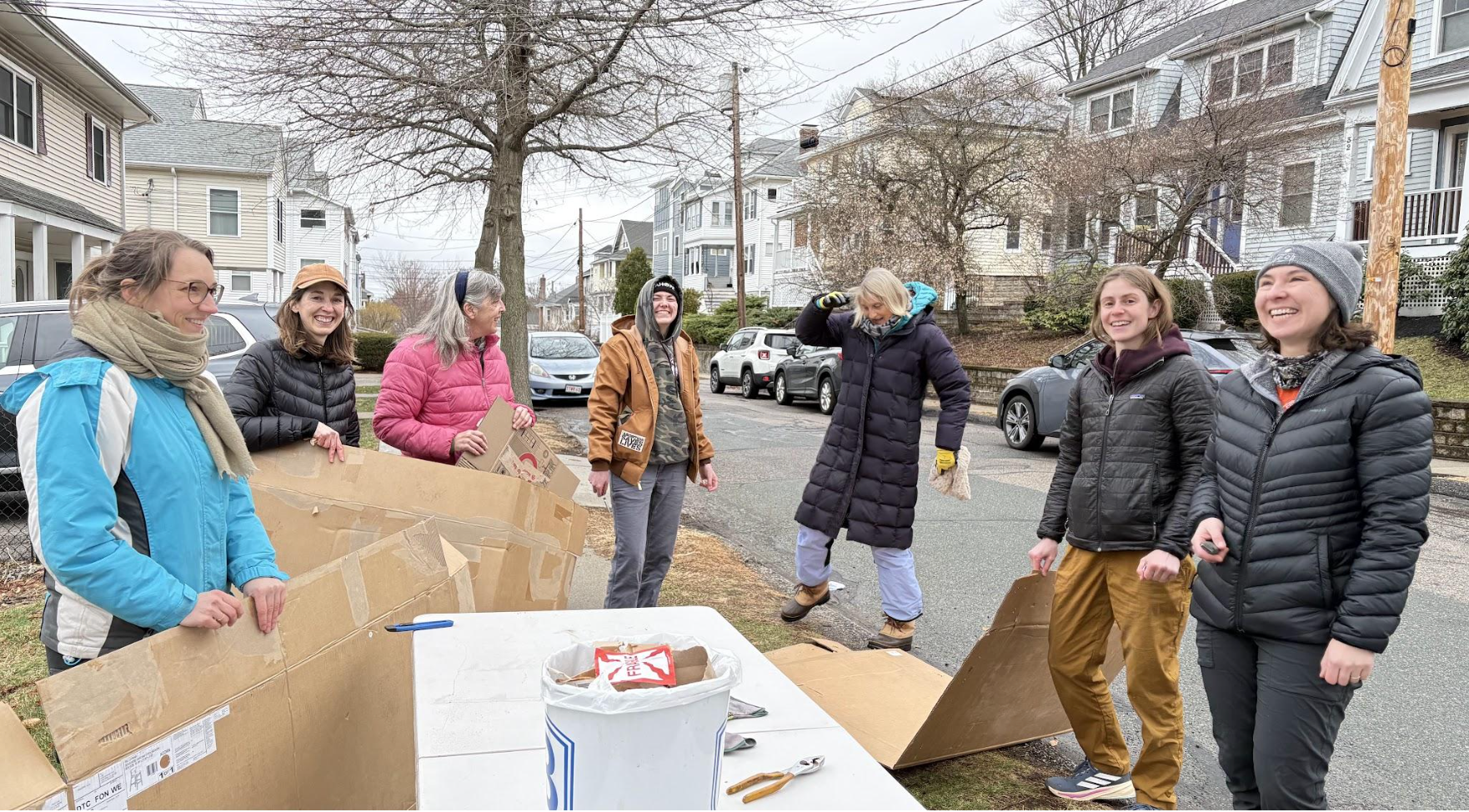
People gathered outdoors around a table in a park, chatting near a path and leafless trees.
May 30, 2026
by Marilyn Salvas and Melinda Dennis
Friends of Bees logo
May 19, 2026
by Pam Phillips  As you may know, for the last several years, Friends of Bees, a working group of Watertown Citizens for Peace, Justice, and the Environment (WCPJE) , have been meeting and collaborating with WCG’s Pollinator Pathways Committee. Together we have held the Life-Friendly Garden Tour, maintained public pollinator gardens, led pollinator walks, and more. Together we support Watertown's Mayor's Monarch Pledge . Together, we educate about and advocate for our native bees, Monarch butterflies and other pollinators. This year, Friends of Bees are making that togetherness official by merging with the Pollinator Pathways Committee. Twelve years ago, Watertown Citizens asked “What is happening to the bees?” and formed a new working group, Friends of Bees. Friends of Bees learned about the many challenges bees face, especially pesticides and habitat loss. Today, we welcome Friends of Bees to a new home with Watertown Community Gardens. The Life-Friendly Garden Tour, with its rich history of 28 chemical-free garden tours over nearly twenty years, will also be hosted by WCG. WCPJE has always served as an incubator for community groups. Over the years, many initiatives started and fostered under WCPJE later matured into independent organizations expanding the circle of like minded activists. Watertown Community Gardens was one such group. Friends of Bees thanks WCPJE for an abundance of enthusiasm and support as we branch off, while maintaining our role in the larger Watertown community. To stay in touch with Friends of Bees and the Life-Friendly Garden Tour please visit Watertown Community Gardens at our new website . When you sign up for the WCG newsletter , make sure to indicate your interest in pollinators and eco gardening. Details of the 2026 Life-Friendly Garden Tour will be shared in the WCG newsletter this summer. Keep buzzing!
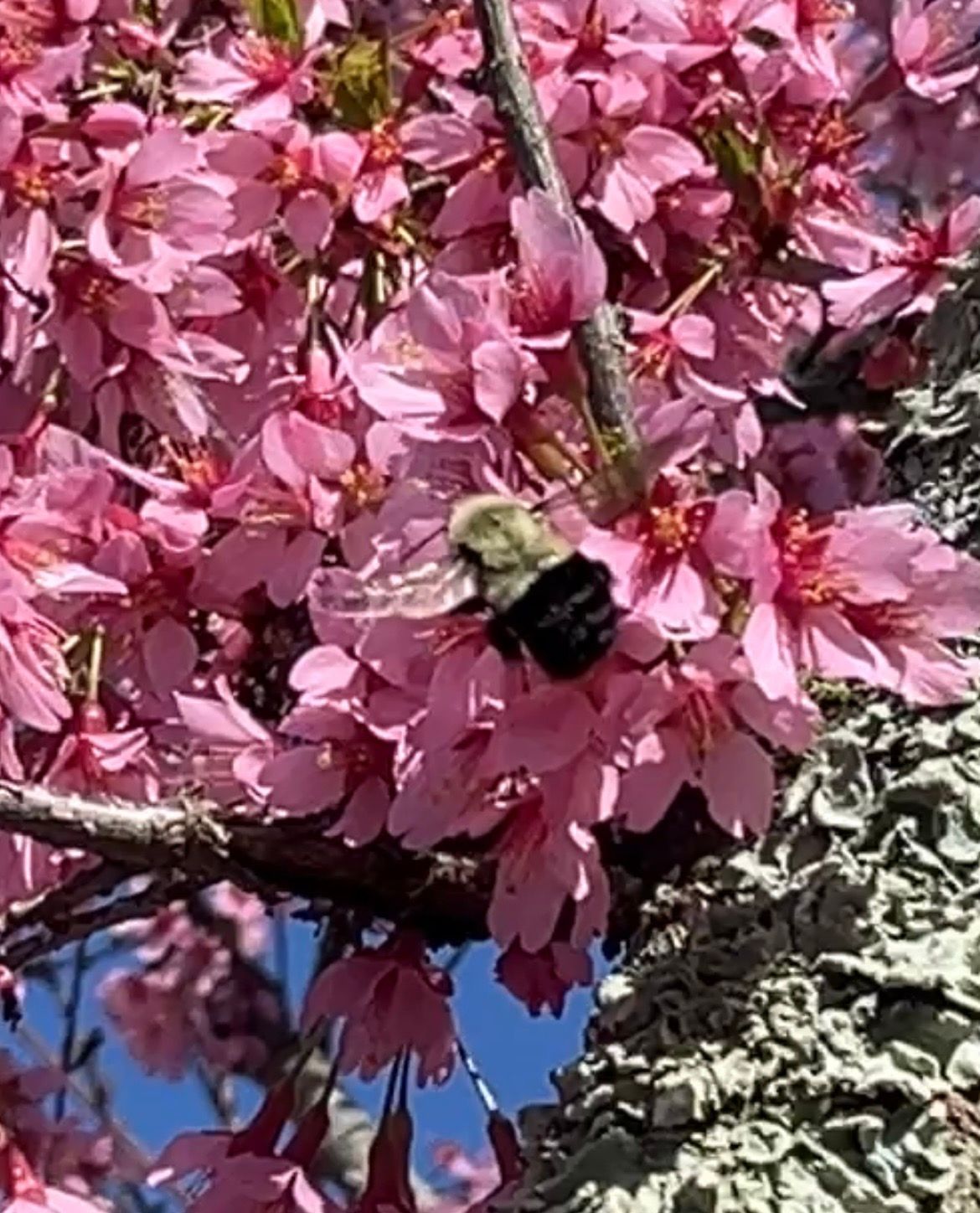
April 23, 2026
By Linda Relson, with Pam Phillips Spring is a really exciting time to see the landscape coming back to life. On multiple occasions in the last couple of weeks, I've seen queen bumblebees, Bombus spp. , drinking nectar from cherry blossoms, and zooming along the ground looking for nesting sites. It’s a sure sign of the season and it lifts my spirits every time.
Bumblebee queen flying near bleeding heart flowers
By Catherine McQuestion April 15, 2025
By Pam Phillips  Have you been noticing more pollinators buzzing around your backyard as the weather warms up? Read this great piece by Pam Phillips of Friends of Bees to learn about which species of bees you can expect to see this time of year. You can find out more about Friends of Bees here . Spring has arrived, with the first green shoots, the first flowers, and the first bees. The bees you’re most likely to see this early are honeybees, bumblebee queens, and mining bees. Honeybees are awake all winter and will come out on warm days. You may have already seen them drinking nectar in snowdrops, crocuses, and dandelions. They also gather pollen from trees, even wind-pollinated trees, such as oaks, willows, and maples. The hive will feed this pollen to the brood when the queen begins laying eggs again. Bumblebee queens sleep underground over the winter, and emerge in early spring. You may notice unusually large bumblebees zigzagging around your garden, as if they are looking for something. They are! Queen bumblebees need a safe place to make their home, preferably a warm cavity that is very find to find, such as an old mouse nest. The queens drink nectar to fuel their hunt, often going high up into flowering trees, such as redbuds, cherries, and other fruit trees. They will also gather pollen, but not until they have found a home and started laying eggs. So if you see a big fat bumblebee carrying pollen on her legs, she’s a young queen with babies to feed. Once she has raised the first generation of workers, she will stay in the nest for the rest of her life.